
№ 17 - 2005.
The Editorial Board is glad to inform our Readers that this issue of “Fidelity” has articles in English, Russian and Spanish Languages.
С удовлетворением сообщаем, что в этом номере журнала “Верность” помещены статьи на английском, испанском и русском языках..
Contents - Оглавление
1. Only a unified front of all opponents.... Bishop Dionysius
2. Экуменическое движение. Арх. Серафим
3. "Fair is Foul and Foul is Fair". SE.
4. Сергианский раскол и возникновение лжепатриархии. Прот. Л. Лебедев
5. Скоблины в рясах. А. Босоволков
6. An open letter to the Orthodox Hierarcy. Fr. Michael Azkoul
7. El Sergianismo. Nicolas Kasanzew
8.
Контр-аргументы соглашателей.
А. Никонов
9. Экуменизм. Ипод. Н. Шевельчинский
10. Нам пишут. Letters to the Editor
*********************************************************************************
Only a unified front of all the opponents of the “new course” can secure the future of the Russian Church.
Bishop Dionysius of Novgorod and Tver
Overall “Nasha Strana” and the Society of the Memory of the Blessed Metropolitan Anthony Khrapovitsky have taken on a position which is most rational for Rus’ Abroad: to remind the faithful of the legacy and ideals of the founders of ROCOR, to paint their moral-spiritual portraits – and to show the incompatibility of this “new course” and its leadership with that legacy and with those ideals. To awaken the sleeping pastors, to breathe some confidence into those who have lost hope, that they are not alone, and that the battle for the Truth is not hopeless, -- all of this is a great thing.
In its time, red propaganda was striving for the downfall of the spirit of the White Movement using a two-pronged approach: declaring that it is unfair and unpatriotic (“fighting your own people”), and suggesting that it is hopeless and doomed to failure. The MP propaganda has exactly the same approach presently: playing its “patriotic” card and pressing on ROCOR’s hopeless position in its isolation.
“Nasha Strana” has said a lot against the Soviet patriotism of the MP (more could be said in reference to the MP’s active involvement in the 60th anniversary of the “Victory” celebrations.) But many people are depressed by the hopelessness of their position. It is true that the forces against the MP are split and divided by both objective and subjective reasons. Nevertheless, only their consolidation into a unified front can secure the future of the Russian Orthodox Church. In the future, perhaps not too near, we need to hold a Council (sobor) with participation from all who are faithful to the ideology of the historical ROCOR – delegates from Abroad and from within Russia. Maybe initially this would not be a strictly religious council, but a social forum, without canonical decisions, but one which would unite those of like minds. At any rate, we need to have some kind of alternative to the enticing Gundyaev “universal Russian sobors” held in the Danilov monastery. It would be appropriate for the initiative for this type of conference to come from a group of laypeople.
Back in 1595 in Brest, two sobors were held simultaneously: a Uniate one, and an Orthodox one gathered by Prince Konstantin of Ostrog. When there is a lack of leadership among Bishops and clergy, the laity needs to step in. Perhaps the Society of the Memory of the Blessed Metropolitan Anthony Khrapovitsky under the leadership of G. M. Soldatow could play such a pivotal role – of a “collective Prince Konstantin of Ostrog”.
The position of the MP is not as solid as it may seem, -- and therefore, the position of its opposition is not hopeless. Recently, an anthology of essays by Deacon A. Kurayev, a person of the Patriarch, as he calls himself, appeared. He admits there that the MP is standing on the brink of an anti-hierarchical revolution, similar to the reformation of the 16th century, when the authority and trust had been lost within the church populace.
Of course Kurayev does not write the entire truth, he leaves out that the “right wing” of the MP, which leads the protest against the Hierarchs, and which preaches “orthodox Stalinism” and other “orthodox sovietisms”, was created by the leadership of the MP (and the KGB) in the early 1990s to combat ROCOR, to prevent the mass exodus of people into the ROCOR parishes which were then appearing in Russia. But at this time, this wing, having engulfed many thousands of people, has left the leadership of the MP and is headed by many self-proclaimed “starets” and lay-activists, such as Dushenov and his newspaper, “Rus Pravoslavnaya” (Orthodox Russia). Therefore the process of unification of the MP and ROCOR also has an internal goal: to strengthen the position of the MP in the religious population, to eliminate their opposition by successfully “joining with the schismatics of Karlovtsy. Thus in the 15th Century, when the Pope’s throne had already weakened, sovereigns and the laity rose up against him at the Constance and Basel Councils. Pope Eugene IV, (1439) meanwhile, in Florence, was quick to bring together under him the Eastern Church, in order to break his internal, western opposition. Presently in Russia there does exist, but perhaps scattered, an Orthodox force. There are people who have separated from the ROCOR, and there is a high percentage still remaining within the MP, but in opposition to her leadership. A unity of parts of ROCOR standing in opposition to the “new course” could raise their authority and would attract quite a few lay persons from the “right wing” of the MP.
This is why it is imperative to resist the MP, not only for those abroad but first of all – for Russia herself.
Our Synod of the deceased Archbishop Lazar is ready for dialog with other groups, refraining from any hostile actions, not claiming any exclusivity, -- but has not yet received any response. Maybe the gravity of the situation has not yet reached people’s consciousness. At any rate, the time has not yet come for a dialog on the Bishops’ level. However, on the level of lay people, the dialog amongst those faithful to the ideology of ROCOR and those opposed to the “new course” must continue. And here is, especially appropriate, the forum of “Nasha Strana”.
In his article about “Don Quixotes”, (N.S. 2771) N. Kasanzev reminded us well, that the White heroes were people who did not lose hope even in the most hopeless of circumstances. This is also very appropriate for the church situation.
Nasha Strana No. 2776 Translated by Mrs. M.N. Nekludoff
***********************************************************************************
Экуменическое движение.
Последнее
время все более и более распространяется в мире движение, называемое
экуменизмом. Оно уже включило в себя не только протестантское и сектантское
исповедание, но и Римо-католиков и большинство Православных церквей.
Московская патриархия
является даже членом В.С.М.Ц.
Цель
экуменического движения — объединение христианских церквей. Цель была бы
неплохой, если бы это движение искало Истину, данную Христом. Для нашей Русской
Православной Церкви Заграницей участвовать в этом движении неприемлемо по
причинам, о которых скажем ниже.
Перед
Своим Вознесением Господь Иисус Христос дал повеление Своим Ученикам: “Идите,
научите все народы, крестя их во Имя Отца и Сына и Святого Духа, уча их
соблюдать все, что Я повелел вам“ (Мф. 28:19-20).
Это ВСЕ,
что повелел Спаситель соблюдать, и является основой Учения Церкви Христовой. Но
в течение веков, из-за человеческого суемудрия, происходили отступления от
Истинного Учения Христова, и в результате этого в настоящее время имеется до 500
различных исповеданий.
И теперь
для многих из несведущих людей неясно, какое исповедание является Истинной
Церковью Христовой.
Истинная
Церковь Христова есть та, которая непрерывной преемственной цепью восходит ко
временам Апостольским.
Наша
Русская Православная Церковь исповедует свою Веру, как исповедовали в прежней
России, как приняли ее при св. князе Владимире, как исповедовали ее на 7-и
Вселенских Соборах, как исповедовали ее великие Святые Отцы: Василий Великий,
Григорий Богослов и Иоанн Златоуст, а те исповедовали как св. Апостолы,
получившие это все от Господа Иисуса Христа.
Наша
Церковь и называет себя Православной, ибо право славит Бога, право исповедует
Христову Веру, право ее содержит и право учит, а потому и обладает полнотой
Истины.
Протестанты и сектанты справедливо признают, что они не обладают полнотой
Истины, а поэтому ложно учат (расписываясь и за нас, православных), что на земле
нет Единой Истинной Церкви и нет истинного исповедания, а есть общины людей, в
разной степени заблуждающихся. Объединив всех заблуждающихся, они воображают
обрести истину.
Мировой
Совет Церквей признает всех заблуждающимися и заботится найти приемлемую для
всех формулу для объединения, (а не для выявления Истины) и то с помощью
большинства голосов. С этим наши Церковь не может согласиться.
Истина
выявляется не большинством голосов, а Божественным Откровением. В основе М.С.Ц.
составляют протестантские и сектантские исповедания, которые отрицают Таинства,
Священство, Церковное Предание и не почитают Божию Матерь и святых. Из-за своего
суемудрия и свободомыслия они утеряли все, что повелел Спаситель и потому
не могут содержать полноты Истины.
Удивительно то, что Всеправославное Совещание в Женеве в 1968 г. высказало
желание стать членами М.С.Ц. Если бы они это сделали с миссионерской целью, то
это было бы еще понятно, но такого заявления сделано не было.
Что
касается нашей Зарубежной Церкви, то ее взгляд был высказан с особой
определенностью при назначении в 1931 году представителя в комитет продолжения
Конференции о Вере и Порядке. Определение гласит:
“Сохраняя Веру во Единую, Святую, Соборную и Апостольскую Церковь, Архиерейский
Синод исповедует, что Церковь сия никогда не разделялась. Вопрос только в том,
кто принадлежит к ней, а кто не принадлежит. Вместе с тем, Архиерейский Синод
горячо приветствует все попытки инославных исповеданий изучать Христово Учение о
Церкви в надежде, что через такое изучение, особенно при участии представителей
Святой Православной Церкви, они, в конце концов, придут к убеждению в том, что
Православная Церковь, будучи Столпом и утверждением Истины, полностью и без
каких-либо
погрешностей, сохранила Учение, преподанное Господом Иисусом Христом Своим
ученикам. С такой верой и надежной Архиерейский Синод с благодарностью принимает
приглашение Комитета Продолжения Всемирной Конференции о Вере и Порядке.”
Тут все
ясно и ничего не остается недоговоренным. Но надежды Архиерейского Синода на
оправдались, ибо цели М.С.Ц. не в поиске истины, а совершенно другие, что мы
увидим далее.
На
последнем экуменическом съезде в гор. Упсала, председатель съезда в своей
заключительной речи сделал следующее заявление: Церковь Иисуса Христа должна
активно оказывать сострадание Христово нуждающимся в мире. Но при этом, ни он и
никто другой ни одним словом не обмолвились о всех замученных христианах в
С.С.С.Р. Никто не проявил сочувствия к их судьбе.
Разве
члены Мирового Совета Церквей неизвестно о преследовании религии в Советском
Союзе? Разве им неизвестно, что там царит бесправие? Разве они не знают, сколько
тысяч Храмов закрыто и разрушено? Разве они не знают, что там миллионами
исчисляются мученики за Веру? Разве им не известно, что там запрещено печатать
Слово Божие и обучать детей Закону Божию? Разве им не известно о миллионах
сосланных и пострадавших за Веру Христианскую?
Экуменические “священники и левиты” проходят мимо без интереса, даже не бросают
взгляда в сторону измученных христиан в Советском Союзе. Они молчат о них
потому, что официальные представители Московской Патриархии, вопреки
очевидности, отрицают преследование религии и верующих в СССР. Эти люди
несвободны высказываться. Хотят они или не хотят, но они вынуждены говорить то,
что им предписывает безбожная власть.
Поэтому
представители Московской Патриархии не могут быть признаваемы подлинными
представителями Русской Православной Церкви.
В
заключение скажем, что это кажущееся единство христианских церквей в
экуменическом движении есть единство не в чистоте Истины, а в смешении белого с
черным, добра со злом, истины с заблуждениями.
М.С.Ц.
не ищет Истины, а преследует какие-то нам неизвестные цели...
*********************************************************************************
Discussions regarding the proposed union between the Moscow Patriarchate and the Russian Orthodox Church Outside of Russia rarely, if ever, touch on the historical circumstances surrounding the Bolshevik revolution and its stated mission. While a great deal is said pertaining to what Sergius did or did not do, almost nothing is said regarding the forces behind the revolution, its financiers, and the eschatological implications of it. Despite a large body of writings warning of the apocalyptic nature of the putsch, few leading ROCOR hierarchs question whether rapprochement with the Moscow Patriarchate is simply the next phase in an anti-Christian occult agenda.[1] For instance, the murder of the last Orthodox Tsar, St. Nicholas II, has been seen by some as a removal of the “hand that restrains.”[2] With the murder of the Tsar, God’s anointed protector of the Church militant was removed, unleashing hordes of anti-Christ that wreaked destruction and havoc on the world from which it has yet to recover.
What, then, is the spiritual significance of this for the current debate regarding the future of ROCOR? Are there good reasons for believing that the forces that set out to destroy Orthodoxy in Russia have lost power, subsided in strength and, in the end, “thrown in the towel?” While no man can know the appointed time for the end or, for that matter, the nature of “the mystery that worketh iniquity,” remaining vigilant and guarding against possible deception seems more important now than ever. We must ask ourselves, then, what was the source of the Bolshevik revolution, its spiritual nature and purpose? While it may be impossible to determine its true inner core, those behind it left signatures that point in an occult, sinister direction.
The Revolutionary Age and Its Origins: Preliminaries.
As many historians have observed, revolution in all areas of life is a defining feature of the modern age. As Western Europe emerged out of the 14th century, men like Petrarch ignited interest in classical antiquity, arguing that the civilizations of ancient Greece and Rome were superior to what superseded them. Pagan in orientation and increasingly hostile towards Christianity, Renaissance humanism sought a return to pre-Christian ways of thinking. The most obvious expression of this can be found in the art of the time period: interwoven with Christian themes of the Virgin and Christ Child are all sorts of symbolic references to Greek and Roman mythology. As Renaissance painting began to depart from medieval art forms more closely resembling traditional iconography, it also began to appropriate multi-layered meanings meant to resonate with esoteric, occult philosophies. Perhaps this is no where better illustrated than in Botticelli’s “Primavera,” a painting which, according to historian Frances Yates, was intended as a talisman or manifestation of Italian occultist Ficino’s ideas regarding natural magic.[3]
During this time, interest in the nature of appearances, in discovering how to manipulate or master the empirical world began to express itself as well. Here, a renewed interest in the ancient Greek Pythagoreans converged with an interest in what was thought to be the work of an ancient Egyptian wise man by the name of Hermes Trismegistus. While not an actual, real-life person, the mythical figure of Trismegistus was imbued with an aura of ancient, mystical and arcane knowledge, supposedly forgotten over the centuries but kept alive through various esoteric schools and secret societies.
Combining elements of numerology, Cabala, and gnosticism, the writings ascribed to Trismegistus were of great importance to Renaissance thinkers such as Ficino and Pico della Mirandola. Attempting to combine elements from what was essentially a mystical tradition most likely formed in ancient Persia and in ancient Judaic occultism during the Babylonian captivity, hermeticism provided the theoretical impetus necessary for many a Renaissance layman to pursue alchemy, numerology, Cabala, and other occult forms of inquiry. Treatises began to proliferate regarding the mixture and concoction of different kinds of materials, alchemical formulas for discovering the “elixir of life”; astronomical charts and theories were formed to explain astrological meanings, events, and the harmony of the spheres; and, inquiries into magic and the power of eros in manipulating or controlling others finds expression in philosophy, literature, and poetry.[4] In the end, the work of Ficino and Pico resulted in an attempt to combine what they understood to be Christian principles of the Godhead with the gnostic and occultic philosophies represented in the hermetic writings ascribed to Trismegistus.[5] Already in the 2nd century, however, St. Ireneaus in his Refutation of the Heresies, had soundly exposed these gnostic and occultic ideas for what they were – heretical ideas opposed to the Truth of Christ. For some reason, however, they began to spread in western Europe during this time and are present in many so-called New Age forms of “spirituality” today.
Understood from this perspective, the Renaissance was not a time of scientific and cultural discovery as it is so often portrayed. Rather, the Renaissance represents a time of resurgent pagan and gnostic occultism. Ficino and Pico della Mirandola attempted to merge gnostic and Cabalistic magical ideas with what they understood to be Roman Catholic doctrine. These ideas and developments would, in many ways, culminate in the execution of hermeticist Giordano Bruno on February 17, 1600 during the Inquisition in Rome.[6] Although the Latin church found many of these ideas heretical, they had already infiltrated much of western thinking. In a more pedestrian form they inspired many elements in rationalism – Leibnizian monadology and Spinoza’s pantheism – as well as the scientism that accompanied alchemist Isaac Newton’s Principia. And, artistically, Mozart packaged numerous esoteric occult themes for public consumption in his opera, “Die Zauberflote,” as did Shakespeare in many of his plays a century earlier.
In fact, in Elizabethan England, many of the occult philosophies that formed the thinking of Ficino, Pico, and Bruno, found an adherent in the person of John Dee, Elizabeth’s official “Court Astrologer.” The inspiration for Marlowe’s Dr. Faust in his play, Faustus, Dee engaged in occult practices rooted in the same hermetic traditions mentioned above. Dee, known for invoking spirits, believed Cabala would protect the conjurer from invoking demons. As such, Dee claimed to be an invoker of angels.[7] His role as Elizabeth’s court astrologer placed in him in a position to promote certain occult ideas which led, according to some researchers, to the formation of an intelligence service with Dee taking on the designation of “007.”[8] While the history of freemasonry is obscure and subject to dispute, some researches claim Dee was an important transmitter of the occult practices and philosophy that formed the tenets of Weishaupt’s Illuminati and Scottish Free Rite masonry. According to Craig Heimbichner, “A solid occult beachhead was established in England under Elizabeth I, culminating in the Rosicrusian movement, the Renaissance exaltation of magic and alchemy by Heinrich Cornelius Agrippa (1486-1535) and Paracelsus (1493-1541), and later the formation of a socially accepted system of lodges, free to recruit respectable men. This English lodge system, exoterically a brotherhood and fraternal order copied from the Catholic guild of stonemasons, used the symbols of stonemasonry to teach apparently moral lessons but actually imported kabbalistic symbols from Judaism and reserved its occult teaching for higher initiates. Hence, the new Masonic Lodge became the powerful inner occult channel between countries as it spread across Europe and to America. Thus was born Freemasonry.”[9] Given Dee’s relationship to Elizabeth and the government, his role in the formation of freemasonry’s occult doctrines should not be underestimated.
During the Enlightenment and revolutionary era, figures such as Voltaire, Condorcet, Diderot, Hammann, Moses Mendelssohn, Goethe and countless others joined the masons and pledged allegiance to the god of theism or deism. The rapidity with which these ideas spread was truly astonishing. While the Enlightenment era alone justifies several pages of discussion, rather than taking too many historical detours, readers interested in educating themselves about the spread of freemasonry during this time can consult any number of books by simply doing an online search pertaining to the topic. However, some remarks are in order regarding the French Revolution.
From alchemy to Cabala, Renaissance philosophical and theological speculation was influenced by occult ideas that would emerge during the early 18th century in the form of Illuminism in Bavaria. The nature of Illuminism is essentially “Luciferian” – that is, it rejects Orthodox Christianity’s understanding of Man’s Fall and his salvation through an ontological participation in the Triune God’s Divine Energies. Illuminism taught the lie of the serpent in the Garden of Eden, namely that Man was a god if only he would reject God and embrace his capacity for Good and Evil as necessary polarities in a higher synthesis of knowledge or being. Freemasonic doctrine appropriated aspects of Illuminism and sought to overturn the power of the Christian Church and the Old Order wherever possible.
While admitting as much 15 years ago in respectable academic circles would have resulted in derisive laughter, no less an authority than Librarian of Congress James Billington has documented these facts in his book, Fire in the Minds of Men.[10] At the beginning of his exhaustively footnoted and researched book, Billington describes what motivated the Revolutionary age, including what took place in Russia:
“The revolutionary faith was shaped not so much by the critical rationalism of the French Enlightenment (as is generally believed) as by the occultism and proto-romanticism of Germany.”[11]
A few pages later, Billington explicitly describes the revolutionary process by which European powers and Christianity were targeted for destruction:
“The flame of faith had begun its migrations a century earlier, when some European aristocrats transferred their lighted candles from Christian altars to Masonic lodges. The flame of occult alchemists which had promised to turn dross into gold, reappeared at the center of new ‘circles’ seeking to recreate a golden age: Bavarian Illuminists conspiring against the Jesuits, French Philadelphians against Napoleon, Italian charcoal burners against the Hapsburgs.”[12]
Billington’s description of the French Revolution provides an instructive overview of various elements that would converge to discredit the Monarchy. Due to the manipulation of Mirabeau, the King’s brother Philippe, Duke of Orleans, allowed his estate grounds to be turned into the Palais Royale – a haven of free sex, pornography, narcotics, and revolutionary forums. Here, the elite indulged in all manner of perversity and a hatred for the King and the “Ancien Regime.” Plot after plot was hatched here, each one intended to cause unrest and resentment toward the Crown. The famous “Diamond Necklace Affair” attempted to smear the Queen, Marie Antoinette, by alleging that a “lover” had given her a ridiculously extravagant diamond necklace as appreciation for her favours. As in Russia, the conspiratorial forces created disinformation in an attempt to smear the King and demand his removal.[13] And, as in Russia, the conspiratorial forces were engaged in occult philosophies that preached wild abandon and the embracing of decadence and experimentation. The result? As in Russia, a Christian country was defiled and desecrated, brought to Her knees by anti-God and anti-Christ forces.
Russia
The issue of freemasonry and the occult in Russia requires a study all its own. Certainly, with Peter the Great and Catherine the Great, Enlightenment ideas – as well as Masonry itself – made their way into Russia. If fact, while Catherine’s son Tsar Paul is often maligned and misunderstood by western academics as an ineffectual, reactionary leader, he did a great deal to reverse the tide of libertinism and westernization Catherine had embraced. During Paul’s reign, masonry was quite active in opposing Paul’s rejection of many of Catherine’s “reforms”; in fact, it may have played an important role in his assassination.[14] Over the course of the 19th century, numerous occult and freemasonic ideas would infiltrate Russia, finding adherents and dabblers among the aristocracy and revolutionary classes. While it falls outside the scope of this discussion to describe the history and transmission of these ideas among various figures, the rise of revolutionary nihilism and an interest in theosophy and other “luciferian” ideas is evident in the art and political movements of the 19th century. Where these movements and ideas express themselves is in the Bolshevik putsch itself.
Perhaps the most telling indication that occult forces were behind the Bolshevik revolution is the very symbols of the Soviet regime itself: the hammer, sickle and star. Occult symbols often have multiple meanings. Publicly available associations or “exoteric” meanings are usually taken in an innocuous way. However, these symbols can also have an esoteric meaning that operates almost like a code for the initiated that are aware of their double significance.
For instance, suppose a beer company has the slogan, “Too good for words.” In order to create curiosity they might undertake a clever advertising campaign where they simply place the following words, without a picture of their product, in magazines and newspapers:
People seeing the ad would of course wonder what it meant and may not even catch on that it is a code: exoterically, it is 2 “GOOD” and 4 “WORDS.” Esoterically, it refers to the beer in question’s advertising slogan, “Too good for words.” The psychological effect of the decoded or esoteric meaning would most likely stay with an individual who figured it out much longer than a literal campaign involving pictures of the product. In a sense, one becomes an initiate of the campaign: once one deciphers its meaning, every time one sees the add, one thinks of the product.
Culturally speaking, the 1960s witnessed the appearance of just such a symbol – the peace sign. Plastered all over shirts, albums, ads, design sheets, and other spaces as well, many took the peace sign as simply an anti-war symbol and icon for the ideals of social justice. Most did not realize that the so-called peace sign has an esoteric meaning as well: it is a Germanic “Todesrune” indicating an inversion of life.[15] According to certain occult sources, it is also known as the “raven’s foot,” supposedly used during certain occult rituals that involve a denial of Christ. In this connection, it appears as an upside down broken Cross, indicating an inversion or rejection of God’s order on Earth.
Why, then, would a symbol associated with an inversion of life be used to represent the peace movement? Here, one can only speculate. If, however, we view the symbol as an esoteric code, various possibilities suggest themselves. The political movements of the 1960s were, in many ways, a means by which society was transformed. Grounded in nihilism and relativistic revolutionary philosophy, the radical thought of the sixties sought to restructure and redefine the family, sexuality, culture, morality, religion, and politics. After the killing of John F. Kennedy, chaos erupted. Not unlike other revolutions that involved the “killing of the King,[16]” social and spiritual forces were set loose that sought to destroy the “Old Order” – a more socially conservative society which held public morality in place.
Understood in this light, we begin to see an alternative use and meaning behind the so-called peace sign. Hiding behind a façade of peace, various forces could appropriate the language of social justice and morality, thereby hiding their true intentions – the destruction or transformation of American culture. So understood, the peace sign becomes a macabre jest, an esoteric signature that communicates to initiates both the true purpose of the “movement” and its sponsors. In other words, the peace sign is not about peace at all – it is, in short, a false advertising campaign by which various forces sought the upheaval and transformation of society rather than its preservation.
The Bolshevik Symbols
When we look at the flag of the Soviet state we find symbols with esoteric and exoteric connotations. If taken exoterically, the hammer is meant to refer to industry, the modernization and factory output of the new Soviet man. The sickle, on the other hand, symbolizes the agrarian component of Soviet labour and organization for the growing of food. The star presumably refers to the providence or destiny of the Soviet state in the formation of a new age of Man. However, when we consult a dictionary of symbols, something else begins to emerge.
On page 200 of Carl Liungman’s Dictionary of Symbols, we learn that the sickle represents Saturn and Chronos. Both the Greeks and Romans associated harvests with these gods, as well as death, due to the lengthy cycle of the planet’s orbit around the sun. Additionally, Saturn and Chronos are associated with sorrow and deprivation, with the separation of human beings from the gods. In the Middle Ages, this symbol would be associated with “Satan, the tester.”[17] Researcher Michael Hoffman reminds us that Saturn is also associated with the Demiurge, the “operating engineer of the universe” and not its creator.[18] Saturn-Chronos represents the end of the rule of the Olympians, the end of the age when Man lived in harmony with nature and the beginning of his separation and alienation from the gods through science and manipulation of the natural world.
In the case of the hammer, when candidates are initiated into the 3rd degree of Masonry they are symbolically struck in the head with a hammer in imitation of the alleged assassination and resurrection of Hiram Abiff.[19] (The “extreme” nature of this ritual coined the common harmless phrase, “he gave him the third degree” as a description of a particularly thorough or intense investigation and questioning.) Craig Heimbichner claims that, “In the third degree, the blindfolded candidate, as ‘Hiram Abiff,’ is unexpectedly ‘slain’ (struck with a mallet on the forehead) and ‘resurrected,’ leaving the Temple of Solomon unfinished.”[20] Here, then, is an esoteric reference to an initiation into the “resurrection” that must take place for the creation of a new consciousness, a new initiate into the New Order. In this regard, the hammer or the “molot” may very well be an indication of what is happening to all Soviet victims: they are being “struck and killed” in order to resurrect new initiates into the post-Christian New Age.
The five pointed star, or pentagram, is ancient and has a host of associations. On page 43 of Liungman’s book, he informs us that the five pointed star without intersecting lines is a derivative of the ancient pentagram – that is, a five pointed start drawn with intersecting lines. While it has had various meanings throughout the ages, it is also associated with the occult and used for sinister purposes. On page 44, Liungman indicates that during the Middle Ages the pentagram was associated with the anti-Christ. However, there are numerous other associations as well. What, then, are we to make of it?
If our thesis concerning the development of occult traditions is correct, it might be helpful to consider whether the star has any associations within masonic thought. Gleamed from the writings of various occultists and freemasons such as Albert Pike, it appears that the star is associated with the star of Sirius, the so-called “dog star.” Sirius is in the constellation Canis – hence its designation as “dog star.” Its helical rising occurs in July and August, during the hottest time of the year. Our phrase “the dog days of summer” refers to this astronomical event.
The All-Seeing Eye and Sirius
According to the arcane teachings of freemasonry, the all-seeing eye is associated with the star Sirius. On page 138 of his book, Heimbichner tells us under the entry for “Ayin,” the following:
Ayin: An eye. The “eye in the triangle” is one of the most basic Masonic figures, exoterically the All-Seeing Eye of God, but esoterically the Eye of Set-Sothis-Shaitan (Satan); represented astronomically as Sirius . . .[21]
Who or what, then, is Set-an or Shaitan? In Ancient Egypt, Sirius was associated with Isis, as well as the jackal-headed god Anubis. While information on these connections is readily available from a number of different websites, one New Age page claims that,
“Sirius was revered as the Nile Star, or Star of Isis, by the ancient Egyptians. Its annual appearance just before dawn at the Summer Solstice, June 21, heralded the coming rise of the Nile, upon which Egyptian agriculture depended.”[22]
The mythological reasons for this association are related to the killing of Osiris by his brother Set and the mourning of him by his sister-wife Isis. Said to take place around the time of the summer solstice, Isis wanders the Nile, Grief-stricken by her brother-husband’s death, tears filling the river, causing it to rise.[23] For this reason, both Isis and Osiris are sometimes associated with Sirius. Sirius itself has two sister stars, Sirius A and Sirius B. Sirius B is associated with the jackal-headed god Anubis, the god responsible for judging and ferrying souls into the afterlife. Eventually, the evil principle of Set and the hidden, dark aspect of Anubis were taken to refer to “Set-An.” The Egyptian word “An,” referring to dog, was coupled with the word for soot or the dirtiness of sin, “Sut” – forming Set-An.[24] Eventually, “Satan” would linguistically derive from this Babylonian-Egyptian connection to the myths surrounding Sirius.
In relation to freemasonry, Heimbichner writes that, “the essence of Freemasonry can be traced to the current of ancient Sumerian worship of ‘Shaitan’ (Satan). This current was given shape in ancient Egypt and Babylon, but ironically was most effectively preserved from disintegration through the oral teaching of its rabbinical heirs in the form of the ‘traditions of the ancients’ or ‘elders.’” In short, the five pointed star used by the Soviets is rich in esoteric and occult connotations.
The Shape of Things to Come
If our thesis is correct and the Soviet symbols are esoteric codes for initiates of an occult conspiracy, can we draw any conclusions with regard to the scope of the conspiracy? Obviously, if there is such a conspiracy, it is unlikely its adherents would publicly divulge their intentions or plans – although they may encode them in various ways. Here, we can only speculate from evidence, circumstantial and otherwise.
Take, for instance, the back of the US dollar bill. Well known for its strange all-seeing eye and pyramid, many conspiracy theorists and religious critics have pointed out its obvious connection to the Illuminati and freemasonry. While esoteric symbols often have multiple meanings – even at the exoteric level – patterns and commonalities in intent and kind should lead in directions of interpretation that are more plausible than others. In the case of the US dollar bill, what is of particular interest is the use of Illuminati symbolism. As mentioned earlier, the all-seeing eye is associated with Sirius and Set-an by mystical freemasonry.
Now, if we take the Soviet flag below and trace a border outline around the symbols, we form a triangular shape with the star sitting at its top. If we understand the star to refer to Sirius and its esoteric connotations, it would also stands in for the “all-seeing eye” of the Illuminists and esoteric freemasons. This bears a striking resemblance to the Illuminati symbol on the back of the one dollar bill:
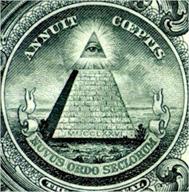
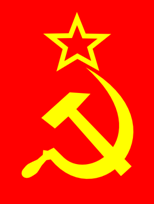
Taken as a coded signature, is it possible that the Soviet symbols are intended to form a pyramid with the star of Sirius sitting on top? Is there any connection between these esoteric symbols and that of the all-seeing eye on the back of the dollar bill, adopted in 1935? Are the conspirators telegraphing a message regarding the shape of things to come? Is it possible that the occult forces behind world revolutionary movements have put their stamp on a Hegelian dialectic between the capitalist West and the communist East? Could it be that these same occult forces have created the illusion of difference, of conflict, for the sole purpose of creating a synthesis of the two systems, bringing them together in a single global government? Is it possible that to the initiated, the symbols mockingly and knowingly testify to the fact that one and the same group or power owns and runs both systems?[25]
Sirius Revisited
In addition to its significance as an esoteric symbol, Sirius also has astronomical significance as well. As mentioned earlier, our notion of the “dog days of summer” is a direct reference to Sirius’ helical rising during the summer months. The period in question actually commences sometime around June 21 and runs through mid-August. During this time, the sun is aligned with Sirius on or around each July 4th. Again, there are numerous astronomical and astrological pages on the internet that provide information pertaining to Sirius’ helical rising and its conjunction with the sun. According to a New Age website,
“The Fourth of July is linked to the brightest star in the heavens, Sirius. Every year on July 4 from our Earth's position, our Sun is in conjunction with the star Sirius. Esoterically this star is our Spiritual Sun and is associated with liberation. According to ancient teachings, the concept of freedom resides in human consciousness because of the influence of this star system. Astrologically, a conjunction is the strongest aspect celestial bodies can have. Our Sun exactly conjoins Sirius in the sign of Cancer at 14 degrees, which occurs around July 4–7.”[26]
Interestingly enough, a number of important revolutionary events have occurred during this time period. To cite only a few, American Independence was declared on July 4th , 1776; Bastille Day in Revolutionary France is July 14; and, most importantly for the Church, the Royal Martyrs were killed on July 4th, 1918 (Old Calendar).[27] Of course, it could be a coincidence that certain Masonic-occult inspired events happen to coincide with the sun’s conjoining with Sirius – the esoteric symbol for the all-seeing eye of Set-An. Here again, we are confronted with a correspondence or pattern that betrays a spiritual reality behind the subterfuge and dissimulation of Masonic organizations.[28]
The “teachings” associated with Sirius and other occult doctrines are false, heretical, and an abomination. We know they are from the teachings of our Lord and God and Saviour, Jesus Christ. What we must remember, however, is that the adherents of these false teachings believe them to be true and act accordingly. In the process of doing so, however, they sometimes leave markers testifying to that fact.
However, these symbols also have an additional layer of meaning, a meaning contained in the very words themselves. In Russian, the word for “hammer” is “molot.” The word for “sickle” is “serp.” Now, if we take these two words and combine them we have.
molotserp
In certain unholy and blasphemous acts, occultists speak parts of the Liturgy backwards. Understanding this as an esoteric and occult “signature,” when we turn around the words that refer to hammer and sickle we get
prestolom
Interestingly enough, “prestolom” has a double meaning: it can mean either “by the throne of the King” or “through the Altar of the Church.” In effect, then, hidden within the symbols of the Bolshevik revolution is an occult message that speaks of an inversion of God’s Law and Order on Earth. It is, in short, not unlike a satanic inversion of our Lord’s Cross – a “todesrune” in another form.
Equally compelling and suggestive is the murder of the Royal Family. For those familiar with Russian history there is little doubt as to the conspiratorial nature of the killings. While some debate whether or not Lenin actually gave the orders, other prominent historians seem convinced he did.[29] In any case, what is important is what the killers left behind in the death chamber at the Ipatiev house. As many historians have indicated and, as reported by Sokolov, strange writings were left on the wall.[30] The meanings behind these writings point in an occult and conspiratorial direction. As monk Zachariah writes:
Finally, after midnight on July 4, 1918, the entire family, with their doctor and two faithful servants, was brought to the basement of the house of their confinement under the pretext of moving them once again. There they were brutally and mercilessly murdered, the children as well as the adults, under the cover of darkness — for "Men loved darkness rather than light, because their deeds were evil"(John 3:19). The Tsar was shot as he stood forward to defend his family. Tsaritsa Alexandra was able to make the sign of the Cross before she, too, fell. Amid screams, the children were shot, clubbed and bayoneted, in an act of indescribable brutality. There is evidence that the murders were ritualistic; strange symbols were found on the walls of the room where the crime took place. Thus ended the life of the gentle, Christ-like Tsar, as a sacrifice for the Orthodox Faith and for the Russian people, both of whom he so fervently loved and believed in..[31]
What, then, were these “strange symbols” and writings referred to? Two will occupy us here – the altered fragment of a poem by the German Jewish poet Heinrich Heine and a series of cabalistic symbols scrawled on the wall.
The fate of King Belshazzar is well known from the Old Testament book of Daniel (Daniel, Chapter 5). In the book of Daniel, Belshazzar was a proud, arrogant King who despised the people of God, the people of Israel. In the course of a feast, strange writings appear on the his palace wall. Daniel interprets them, indicating the extent to which Belshazzar has outraged and offended God. For speaking the Truth, Daniel is bound and Belshazzar ignores God’s warning. Later that night, Belshazzar is slain by the Chaldaens. Afterwards, his removal made possible the rebuilding of the Temple of God in Zion by Zerubbabel. Now, keeping this in mind, let us take a look at the following fragment from a Heine poem scrawled on the wall of the Ipatiev house:
Belsatzar ward in selbiger Nacht
Von seinen Knechten[32] umgebracht.
Before translating the couplet, let’s first take at a look at the lines as they actually appear in Heine’s poem:
Belsazar ward aber in selbiger Nacht
Von seinen Knechten umgebracht.
Notice that the word “Belsazar” (the German spelling for “Belshazzar”) has been intentionally altered to read “Belsatzar” – that is, to mnemonically include the world “Tzar.” This sort of punning and word play are hallmarks of occult practices, intended to bring out Janus-like qualities to the “seen” and “hidden” aspects of events and reality.[33] The actual translation of the couplet also suggests further meanings. Translating the original, we get the following:
On the same night Belshazzar
Was killed by his own slaves.
This, of course, refers to the murder of the proud and arrogant King Belshazzar who opposed the righteous Israelites. However, in the altered fragment written on the wall of the Ipatiev house – obviously a reference to the writing that appeared on Belshazzar’s walls that Daniel interpreted – the line takes on a different meaning: was the “Belsa-tzar”, that is, “Tzar” killed because he stood in the way of the building of a different kind of Zionist Temple? Or, more importantly, if these forces were active agents of anti-Christ, could he have been killed to make way for the “building” of the final “abomination of desolation?”
Here, we must be careful not to fall into the trap of accusing the Jews themselves of conspiracy. While international Zionism may have played a role in the financing of the Bolsheviks, the occult conspiracy involves more than just any one ethnicity or nationality. While apostate, atheistic Jews may have been instrumental in bringing the revolution to Russia, there is an historical and ideological link between the occult, hermetic systems discussed earlier in this essay and their spread throughout Europe via secret societies that infiltrated every country. The fact that the conspiracy involved more than just any one ethnic group seems evident from the next set of “writings” to be discussed – the esoteric, cabalistic inscriptions found in death chamber.
Perhaps the most puzzling inscription on the walls at the Ipatiev house is the letter “L,” written in three different languages: Hebrew, Samaritan, and Greek. There is a line written beneath these three letters as well. The explanation offered for these cryptic symbols amounts to an indication that the Tsar was killed as “punishment” for his “crimes.” However, the translation of these symbols into a statement or message is not as important for our purposes as the means by which an interpretation of them is made possible. According to the book, Waters Flowing Eastward: The War Against the Kingship of Christ, the sources used for decoding these writings include writings by John Dee, the famous occultist Eliphas Levy, and the famous French occultist and acquaintance of Helena Blavatsky, Papus.[34] As such, there is good reason to believe that these symbols required someone with a knowledge of the occult, hermetic and cabalistic traditions that have informed revolutionary movements throughout the modern age since at least the Renaissance. Here, we have an indication that the conspiracy was bigger than just Zionists: whoever carried it out seems to have been a product of the freemasonic/luciferian secret societies that were involved in other revolutions throughout Europe and America. As the author says,
Finally, the line drawn beneath these three letters (in Magical Science the horizontal line is the symbol of the passive principle) indicates that those who killed the king did not do so of their own will, but in obedience to superior command. Whoever wrote this inscription was a man well versed in the secrets of the ancient Jewish cabbalism, as contained in the Cabbala and the Talmud. IN accomplishing the deed in obedience to superior order, this man performed a rite of Black Magic. It is for this reason that he commemorated his act by a cabbalistic inscription in cipher, which belonged to the rite. The inscription therefore proves: 1.) That the Tsar was killed. 2.) That the murder of the Tsar was committed by men under the command of occult forces; and by an organization which, in its struggle against existing power resorted to the ancient cabbalism in which it was well versed.[35]
The MP Today
Even if our thesis is correct and there is reason to believe an occult conspiracy lies behind modern revolutionary movements – including the Bolshevik putsch – what connection, if any, does the MP have in all of this? Here, a word of caution is in order. First, despite what might seem plausible in regard to the existence at different times in history of a hidden, conspiratorial hand, it would be wrong to believe it has absolute, total power. The Triune God, working in conjunction with Man’s Faith and free acceptance and return of God’s Love, determines the time and place of eschatological events according to His Wisdom known only to Him. No matter the extent of a conspiracy, keeping the Faith and praying fervently to God, the Church has the Grace and Power of God. And, as Vladyka Averky has taught in his book[36], the actions of Man can bring the End Times closer, now further, now closer again. In other words, the world’s time is like an elastic band which can be stretched and shortened according to the degree to which Man is Faithful to God. So, even if an occult conspiracy existed or exists now, it is not in ultimate control and can never prevail against the Church.
Having said as much, we are also instructed to be vigilant. To what degree, then, has the Russian nation been subjugated to anti-Christ occult forces bent on rebelling against God? We have tried to trace elements involved in the rise of an occult philosophy involved in modern revolutionary movements. In the case of Russia, it would seem there is some evidence that an occult conspiracy played a role in the removal of the Tsar and the subsequent destruction of Holy Russia. To what extent are these forces still active in current Russian society, culture, and religion?
In her book, Ecumenism: Path to Perdition, Ludmilla Perepiolkina discusses the presence of the occult in the current Moscow Patriarchate.[37] In a chapter entitled, “Dark Spirituality in the Bosom of the Moscow Patriarchate,” Mrs. Perepiolkina describes Alexey II’s involvement with various clergy connected to the occult. According to the chapter, Alexey II was friends with the late Metropolitan Ioann of St. Petersburg and Archpriest Vasily Lesnyak. Both were involved with the Scientific Council of the International Institute of Reserve Potential of Man – an organization practicing different kinds of hypnotic and New Age spirituality techniques.[38] The existence of “sorcerers” and “wizards” in the MP clergy is also discussed by Mrs. Perepiolkina, including priests engaging in occult activities and truly blasphemous acts such as baptizing the dead.
From these facts alone, are we not entitled to ask to what extent the MP has been corrupted and infiltrated by the same occult forces that sought to destroy Orthodoxy in Russia? Given the current stage of world political events, do we not see the same forces evident in the Bolshevik putsch acting in recent events as well? Are our leaders pursuing global government and the marginalization of Christ’s Truth or are they embracing self-determination and a rolling back of modern, secular heresies?
Given the nature of the current world, what reason does the Synod have – or, better yet – what GUARANTEE does she have that she is not being “hoodwinked” by hidden forces bent on her destruction?
We have only touched on a very small number of questions and issues related to occult conspiracies and their relationship to secret societies. However, it bears keeping in mind that if occult conspirators have publicly used esoteric symbols before in an ambiguous or dubious context, they will likely continue to do so today. Of course, these public displays will likely be “encoded,” ambiguous enough so that only the “initiated” will understand what is being communicated.
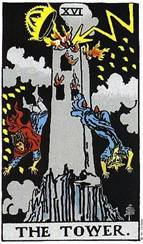
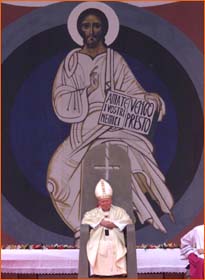
As the MP begins to reach out to the Latin church, the ecumenical prerogative both are battling for speaks volumes as to what is being prepared. We have been warned about a coming “religion of the future” whereby the masses will be prepared to accept anti-Christ. In order to do so, however, a global “spirituality” must be cultivated. So, where is Rome in all of this? Consider the pictures below and ask yourself why the Bishop of Rome would allow the abomination of the satanic inverted Cross to adorn his throne – regardless of its “exoteric” reference to Peter’s crucifixion? What “tradition” within the Roman church does this refer to? How many other Popes in the past have used an inverted Cross? If it is a relatively recent development, why does it come during a highly ecumenical era, not only for the Roman church but for all of Christianity? What does this say about the spiritual condition of Rome or its infiltration by forces opposed to Christ? Was the Pope, without his knowledge, an unwitting tool of these forces?
http://www.blessedquietness.com/journal/housechu/inverted.htm
And, we also have the strange, global event in connection with John Paul II’s funeral – a event bringing all religions and leaders together, televised across the world. Using stagecraft that would have made Marshall McLuhan proud, for three days people all over the world were presented with images surrounding his death and funeral. He was presented as someone who attempted to build bridges and bring peace. His ecumenical undertakings were praised and held up as an example for all.
But, what was being said in all of this? To what extent did John Paul II present his” mission” as one first and foremost grounded in the Truth of Christ? He participated in services with non-Christians and claimed that pagan traditions had something to add to the Church. Was this a betrayal on his part regarding the fullness of the Christian Truth?
It’s interesting to think about these and other matters when inspecting how his funeral was staged and the psychological purposes behind it. The presentation of his coffin in itself raises questions with regard to esoteric symbols, possibly hidden in plain view for the purposes of the initiated. What, if anything, are we supposed to “see” in the placement of the coffin and the “design” of the carpet used? Are we imagining things?
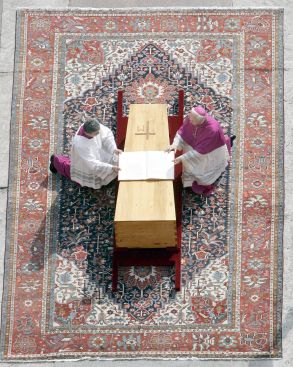
http://www.startribune.com/stonline/images/news37/DTI_1298992.l.jpg
Metropolitan Kyril of Smolensk was quick to offer the MP’s condolences (see his letter at the link below).
http://www.mospat.ru/text/e_news/id/8951.html
And, when Cardinal Ratzinger assumed the papal throne as the new Bishop of Rome, Kyril immediately congratulated him as well (see his letter at the link below).
http://www.mospat.ru/text/e_news/id/9090.html
What is being prepared in all of this? In considering these and other events, one cannot help but feel that Yeats’ poem, “The Second Coming” captures the spirit of our age:
Turning and turning in the widening
gyre
The falcon cannot hear the falconer;
Things fall apart; the centre cannot hold;
Mere anarchy is loosed upon the world,
The blood-dimmed tide is loosed, and everywhere
The ceremony of innocence is drowned;
The best lack all convictions, while the worst
Are full of passionate intensity.
Surely some revelation is at hand;
Surely the Second Coming is at hand.
The Second Coming! Hardly are those words out
When a vast image out of Spiritus Mundi
Troubles my sight: somewhere in sands of the desert
A shape with lion body and the head of a man,
A gaze blank and pitiless as the sun,
Is moving its slow thighs, while all about it
Reel shadows of the indignant desert birds.
The darkness drops again; but now I know
That twenty centuries of stony sleep
Were vexed to nightmare by a rocking cradle,
And what rough beast, its hour come round at last,
Slouches towards Bethlehem to be born?
In view of what is said in this article, it is understandable that the
members of ROCOR around the world and those believers who are in the
Motherland, but not in the MP, would like to preserve their independence
from governments and from influence from non-Christian organizations. The Holy
Orthodox Russian Church should follow the path set by the Seven
Ecumenical Councils, the Teachings of The Holy Fathers, the Holy Patriach Tikhon,
and thousands of St. Martyrs for the Church in the USSR, and the ROCOR should
continue to follow the way of its First Hierarchs Metropolitans Anthony,
Anastasy, Filaret and Vitaly. Therefore "The Blessed Metropolitan Anthony
Memorial Society" will resist all innovations in the MP including
Sergianism (with its affiliation to communistic government departments),
ecumenical activity and political involvement such as instructing members of the
Church who they should
"elect".. For us the Freedom of the Church is important and "unia" with the MP
as
it is is not acceptable.
______________________________________
[1] Russians will be familiar with the warnings found in the writings of St. John of Kronstadt, St. Seraphim of Sarov, Elder Ambrose of Optina, as well as writers such as Dostoyevsky and even Soloviev.
[2] See Engleman, Dennis, Ultimate Things: An Orthodox Christian Perspective on the End Times, Ben Lomand, California, Conciliar Press (1995), pp 70-87.
[3] See pages 76-78, Yates, Frances. Giordano Bruno and the Hermetic Tradition, Chicago, Illinois, University of Chicago Press (1964).
[4] Couliano. Ioan P. Eros and Magic in the Renaissance. Chicago, University of Chicago Press, (1987).
[5] See Yates, especially the first five chapters of her book.
[6] Religious Studies professor Philip G. Davis succinctly describes Bruno’s outlook: “Although Bruno paid lip service to the transcendence of God, his thought was heavily imbued with pantheism; he emphasized the role of the world-soul as the inner dynamism of all things. Bruno came close to rejecting Christianity altogether. He supported Copernicus, and went on to argue that an infinite number of stars and worlds exists in the universe. Since he still believed that man is the microcosm of that universe, this conferred an enormous degree of significance upon the individual human being. Bruno clearly fits the definition of a neopagan – he regarded Christianity as a fall away from the truth, and he hoped to restore the true ‘Egyptian’ religion he thought he saw in the Hermetic literature..” See Davis, Philip G. Goddess Unmasked: The Rise of Neopagan Feminist Spirituality, Dallas, Texas, Spence Publishing, (1998), pg. 131.
[7] See Yates, pg. 96.
[8] See Hoffman, Michael A III. Secret Societies and Psychological Warfare. Independent History and Research, Coeur d’Alene, Idaho, (2001), pp. 16-17.
[9] Heimbichner, Craig. Blood on the Altar: The Secret History of the World’s Most Dangerous Secret Society. Coer d’Alene, Idaho, Independent History and Research (2005), pp. 9-10.
[10] See Billington, James. Fire in the Minds of Men: Origins of the Revolutionary Faith. New Brunswick, New Jersey, Transaction Press (1999).
[11] ibid. pg. 3.
[12] ibid. pp. 5-6
[13] See Fraser, Antonia. Marie Antoinette, New York, Anchor Books, (2001), pp. 226-240. For a more conspiratorial overview, see Carr, William Guy. Pawns in the Game. Hollywood, California, Angirff Press (1958), pp. 25-39.
[14] For an interesting discussion of Paul, Catherine, and the issue of freemasonry in Russia, see Vladimir Moss’ book, Christian Power in the Age of Revolution. It can be found online in its entirety at the following link: http://romanitas.ru/eng/THE%20AGE%20OF%20REVOLUTION%20(custom%20size).mht . Reader Vladimir has a number of other excellent books posted at http://romanitas.ru/eng/ as well. Although obviously sympathetic to it as a general movement, Marc Raeff’s book, Origins of the Russian Intelligentsia : The Eighteenth-Century Nobility, provides a chapter on the topic of freemasonry as well.
[15] See Liungman, Carl. Dictionary of Symbols, New York, New York, Norton Press (1991), pg. 253.
[16] For a discussion of the ritualistic and symbolic significance of these kinds of events see Frazer, James George. The Gold Bough. New York, New York, Touchstone Press (1922), pp. 308-341. All modern revolutionary “killings of the King,” seem to involve an element of ritual. Beginning perhaps with Cromwell, there is an almost “magical” significance associated with monarchs on the part of revolutionaries – as if they are in fact “divine” in some way. In the case of Marie Antoinette, a man surreptitiously placed himself under the scaffold and tried to drench his handkerchief in her blood as it flowed down after her execution. See Fraser, Antonia. Marie Antoinette, New York, New York, Anchor Books, (2001), pg. 440.
[17] See pp. 200-201 in Liungman, Carl. Dictionary of Symbols, New York, New York, Norton Press. 1991.
[18] See Hoffman, pp. 21-22.
[19] This ritual is discussed in numerous books but can also be found by doing a Google search with the words “third degree masonry mallet”.
[20] See Heimbichner, pg. 58, footnote 4.
[21] Heimbichner, pg. 138.
[22] http://www.souledout.org/cosmology/sirius/siriusgodstar.html
[23] Frazer, James George. The Gold Bough. New York, New York, Touchstone Press, (1922), pp. 420-432. Additionally, see Stoyanov, Yuri. The Other God: Dualist Religions From Antiquity to the Cathar Heresy. New Haven, Connecticut, Yale University Press (2000), pp. 6-21.
[24] See Hoffman, pg. 31.
[25] For more information regarding the nature of the all-seeing eye on the back of the US dollar bill, see http://www.pueblo.gsa.gov/cic_text/misc/ourflag/greatseal.htm. This website offers opposing sides to the debate surrounding the true nature of the all-seeing eye on the dollar bill. The reader can explore the links provided and decide for themselves.
[26] http://www.souledout.org/nightsky/fourthofjuly/fourthofjuly.html
[27] The occult conspirators may be on the “old calendar” in regard to Sirius. At the time of the Declaration of Independence, the colonies were on the Old Calendar. Additionally, every year in the woods of northern California, leaders of industry and the world gather at Bohemian Grove on July 16 through July 19. Each year, the “retreat” begins with the “Cremation of Care,” a ritual involving a large statue of an Owl, robed figures, and a mock sacrifice of a child. While it bears a strikingly resemblance to rituals associated with Molech, the demonic god of the Canaanites, participants claim it is all harmless fun. Leaders such as Ronald Reagan, both Bush senior and Bush junior, Henry Kissinger, Helmut Schmidt, and countless other political and industrial leaders have attended this yearly event. More information regarding Bohemian Grove can be found at the following links: http://www.fair.org/index.php?page=1489
http://www.propagandamatrix.com/archivebohemiangrove.html
Again, what is of particular interest is its occurrence with the helical conjunction of Sirius with the sun on the old calendar date of July 4th.
[28] It is interesting to note that the Big Sky Astronomical Society adopted the star Sirius as a memorial to the victims of the September 11th event. See http://www.bigsky.ab.ca/adopt-a-star/september11th.htm for more information.
[29] For example, Yuri Slezkine, a well-regarded Professor of History at the University of California, Berkeley, claims Lenin gave the order. See Slezkine, Yuri. The Jewish Century, Princeton, New Jersey, Princeton University Press (2004), pg. 178: “Specifically, and very publicly Jewish names (and some transparent Jewish pseudonyms) were associated with two of the most dramatic and symbolically significant acts of the Red Terror. Early in the civil war, in June 1918, Lenin ordered the killing of Nicholas II and his family.”
[30] Although dismissed by many academics as biased and inaccurate, Robert Wilton’s, The Last Days of the Romanovs is still an excellent source for reporting what Sokolov discovered in the course of his investigation. See Wilton, Robert, The Last Days of the Romanovs. Hawthorne, California, Christian Book Club of America (1969).
[31] See Monk Zachariah’s article at http://www.fatheralexander.org/booklets/english/nicholas_ii_e.htm
[32] An additional layer of meaning involves the use of the German word “Knechten.” In Old English, a derivative of Germanic, the word for “knight” is the same – “Knechten.” There is, then, a possible code attributable to the use of this word: the Tsar was not killed by his “slaves” per se, but rather by a “knight” or “servant of rank.” Could the use of Heine’s poem and the word “Knechten” betray the fact that persons or Royal elements close to the Tsar had a role to play in his martyrdom? We will probably never know.
[33] Although fictional in its expression, Shakespeare’s play, Macbeth is full of these sorts of double-meaning events and spoken phrases. In fact, Macbeth’s first spoken lines, express this Janus-like quality so typical of the play: “So fair and foul a day I have not seen.” And, in perhaps one of the plays most often quoted lines, Macbeth himself says, “Away and mock the time with fairest show, false face must hide what the false heart doth know.” Janus, the double faced god, would be associated with the devil in the Middle Ages for the hidden and duplicitous qualities associated with lying and deception.
[34] See L. Fry (Shishmareff, Paquita de). Waters Flowing Eastward: The War Against the Kingship of Christ. Washington D.C., The Barnes Review Company (1999), pp. 191-194. In a book published by Jordanville Monastery on the Royal Family, this chapter is excerpted and printed in Russian as well.
[35] Ibid. pg. 194.
[36] Taushev, Archbishop Averky. The Apocalypse in the Teachings of Ancient Christianity. Platina, California, St. Herman’s of Alaska Press (1995).
[37] This book is now online at http://ecumenizm.tripod.com.
[38] Mrs. Perepiolkina’s discussion provides details, names, and descriptions of certain events where these things happened, sometimes with the blessing of the MP. Reading her aforementioned chapter is quite instructive. It can be found at the following link: http://ecumenizm.tripod.com/ECUMENIZM/id11.html. In another chapter, Mrs. Perepiollkina discusses other occult aspects of the MP as well. See her chapter, “Rosicrucians” at, http://ecumenizm.tripod.com/ECUMENIZM/id21.html. There are a number of photos on this site throughout all of its pages which reveal disturbing events and trends in the MP.
****************************************************************************************
СЕРГИАНСКИЙ РАСКОЛ И ВОЗНИКНОВЕНИЕ ЛЖЕПАТРИАРХИИ
Протоиерей
Лев Лебедев
Опускаясь до
недостойного политиканства, Сергий и его синод в «Декларации» ставят условием
принадлежности людей к церкви и даже — к Родине их политические взгляды, их
политическое признание советской власти! Не говоря уже о том, что это абсолютно
антиканонично, обратим внимание на главное. «Советская власть» — откровенно (!)
антихристова, то есть не скрывает, а даже всенародно заявляет о своей
непримиримой антихристианской направленности! Тогда получается, что в Церкви
Христовой может пребывать только тот, кто становится другом антихристу (или
антихристам)!.. Сама же Русская Православная Церковь, по Сергию, может быть
таковой только в полном духовном, братском (не за страх, а за совесть!) единстве
с откровенно антирусскими, антиправославными, антицерковными властителями,
(«радости и успехи которых — наши радости и успехи»...)! И напротив, те, кто не
желает добровольно подписаться под преданностью сатанинскому режиму, становятся
врагами Христу и Его Церкви!b
Все — наизнанку, как бы шиворот-навыворот, все извращается до жути, до полной
перестановки понятий и ориентиров! Даже от самых безпринципных или аполитичных
священнослужителей можно было ожидать чего угодно, только не этого! Московская
«патриархия» делалась церковью-Оборотнем и в идейно-духовном отношении.
После
кончины Святейшего Тихона был обнародован его указ от 25 декабря 1924 г./7
января 1925 г. о том, что в случае его смерти «патриаршие права и обязанности»,
впредь до соборного избрания нового Патриарха, возлагаются на Митрополита
Казанского Кирилла (Смирнова); в случае же невозможности для него «по каким-либо
обстоятельствам» приступить к их исполнению, таковые права переходят к
Митрополиту Ярославскому Агафангелу (Преображенскому), а если и он не сможет, то
— к Митрополиту Крутицкому Петру (Полянскому).
Собор
архиереев (60 человек), съехавшийся на похороны Патриарха, определил ввиду
невозможности вступить в выполнение таких обязанностей ни Кириллу, ни
Агафангелу, поручить их исполнение Митрополиту Петру. Он становился
Местоблюстителем Патриаршего Престола. Через четыре месяца он был арестован. За
четыре дня до ареста Владыка Петр успел распорядиться о нескольких заместителях
Местоблюстителя (на случай своего ареста). Таковыми, в порядке очередности
становились: митрополит Нижегородский Сергий (Страгородский), митрополит Михаил
(Ермаков), Экзарх Украины, и архиепископ Ростовский Иосиф (Петровых). При любом
заместителе распоряжение Митрополита Петра устанавливало обязательность
возношения его имени как «Патриаршего Местоблюстителя». Это очень важный момент.
Богослужебным возношением в положенных местах имени своего Главы Церковь
выражает свое духовно-таинственное и внешнее единство, связанное персонально с
определенным Первоиерархом. Таковым становился только Местоблюститель (в данном
случае — Владыка Петр), но никак никто из заместителей Местоблюстителя.
Большевики прекрасно поняли, как хорошо обезпечивается преемственность законной
власти в Церкви всей этой цепочкой Местоблюстителей и заместителей. И начали
одного за другим сажать в тюрьму или отправлять в ссылки. Ввиду этого
архиепископ (затем — Митрополит С.-Петербургский) Иосиф (Петровых) назначил себе
заместителями еще трех архиереев и еще шестерых ... Стало ясно, что с этой
цепочкой ничего не поделаешь. Нужно было найти в ней «слабое звено». Тучков
буквально метался по этой цепочке, пытаясь «обрабатывать» всех, особенно самых
главных, всем предлагая одно и то же: издать «послание», вроде «Завещательного»
с полным одобрением советской власти, обязаться исключать из клира тех епископов
и священнослужителей, которые не угодны советской власти (т.е. НКВД) и заочно
судить зарубежных епископов, обличающих большевицкий режим и его гонение на
Церковь. Взамен обещалось сделать архиерея Главой Церкви. Митрополит Агафангел
решительно отказался от такого предложения.
Митрополит Кирилл, как рассказывают, ответил Тучкову: «Вы — не пушка, а я Вам —
не ядро, чтобы Вы мною расстреливали Русскую Православную Церковь». Обоих не
допустили до исполнения обязанностей Местоблюстителя. Владыка Агафангел,
ненадолго вышедший из ссылки с совершенно подорванным там здоровьем, умер в 1928
г. Владыка Кирилл из ссылок так и не вернулся, и был расстрелян в 1937 г.
Отказались от предложений Тучкова и все остальные. Кроме одного...
После
ареста Митрополита Петра 10 декабря 1925 г. в управление церковными делами
вступил его первый заместитель митрополит Сергий (Страгородский). В этом
качестве он находился на свободе почти год, до 13 декабря 1926 г. Затем он был
также арестован. В исполнение его обязанностей вступил архиепископ Серафим
(Самойлович). Но 7/20 марта 1927 г. Сергий неожиданно был выпущен из тюрьмы и
вновь принял на себя обязанности заместителя Местоблюстителя.
В этот
первый, до ареста, период своего заместительства митрополит Сергий продолжал ту
церковную линию в отношении советской власти и зарубежной части Русской Церкви,
какая определилась Патриархом Тихоном, и сам считал себя преемником именно
такой, патриаршей, линии. В это время, в 1926 г. особенно обострились отношения
между Архиерейским Синодом РПЦЗ и митрополитом Евлогием, управляющим
Западно-европейскими приходами Русской Церкви. В основе конфликта была обычная
человеческая гордость и властолюбие: Евлогий, поначалу признавший над собою
власть Синода РПЦЗ, опирающуюся на указ 362 от 1920 г., затем решил, что ему
выгодней быть самостоятельным владыкой. Тогда он лукаво использовал указ
Патриарха Тихона 1922 г. об упразднении зарубежного ВЦУ, хотя отлично знал, что
указ — вынужденный, несвободный. Выйдя из подчинения Синоду, он стал искать
возможности подчиняться непосредственно митрополиту Сергию. Получив сведения об
этих разногласиях, митрополит Сергий написал зарубежным русским епископам
искреннее письмо от 12 сентября 1926 г. «Дорогие мои Святители, — говорилось в
письме, — Вы просите меня быть судьею в деле, которого я совершенно не знаю. Не
знаю, из кого состоит Ваш Синод и Собор... Не знаю я и предмета разногласий
между Синодом и митрополитом Евлогием. ...Может ли вообще Московская Патриархия
быть руководительницей церковной жизни православных эмигрантов, когда между ними
фактически нет отношений (т.е. между Патриархией и эмиграцией — прот. Л.)? Мне
думается, что польза самого церковного дела требует, чтобы Вы или общим
согласием создали для себя центральный орган церковного управления, достаточно
авторитетный,... не прибегая к нашей поддержке..., или же ... (вам нужно)
подчиниться (допустим, временно) местной православной власти, например, в Сербии
— Сербскому Патриарху, и работать на пользу той частной православной церкви,
которая
Вас
приютила. ...Желаю всех Вас обнять, лично с Вами побеседовать. Но, видно, это
возможно для нас лишь вне условий земной нашей...жизни. ...Господь да поможет
Вам нести крест изгнания и да сохранит Вас от всяких бед. О
Христе преданный и
братски любящий Митрополит Сергий» (выделено мной — прот. Л.).
Как видим, у Сергия нет никакого принципиального несогласия или возражения
против независимого от Москвы самостоятельного бытия Синода и Собора РПЦЗ; есть
лишь братские рассуждения, как лучше управляться в церковных делах русским
православным людям, несущим крест изгнанничества. Нет ни намека на то, чтобы
русская эмиграция (или ее епископы) признали и одобрили советскую власть,
поскольку (!) сам Сергий, по-видимому, не ждет от нее ничего, кроме смерти, что
с грустью выражено в письме!
Но все мгновенно и резко изменилось, когда затем в тюрьме советская власть
предложила Сергию — жизнь и притом жизнь со властью в церковных делах! Условия
нам уже известны.
20
марта 1927 г. митрополит Сергий вышел из тюрьмы, ему было разрешено жить в
Москве (что раньше запрещалось), в то время, как полным ходом шли аресты и
высылки большинства русских епископов. И 16/29 июля 1927 г. появилось печально
знаменитое официальное «Послание» митрополита Сергия, известное более под
названием «Декларации».
«Приступив, с благословения Божия, к нашей синодальной работе, — говорилось в
Декларации, — мы ясно сознаем, (что)... нам нужно не на словах, а на деле
показать, что верными гражданами Советского Союза, лояльными к Советской власти,
могут быть не только равнодушные к Православию люди, не только изменники ему, но
и самые ревностные приверженцы его (которых Сергий, таким образом, объединяет в
одну компанию с изменниками, — прот. Л.)... Мы хотим быть Православными и в то
же время сознавать Советский Союз нашей гражданской родиной, радости и успехи
которой — наши радости и успехи, а неудачи — наши неудачи. Всякий удар,
направленный в Союз (заметим, — не в Россию, а в «Союз» — прот. Л.), будь то
война, бойкот, какое-нибудь общественное бедствие, или просто убийство из-за
угла, подобное варшавскому (!), сознается нами, как удар, направленный в нас
(т.е. в Православную Церковь!.. — прот. Л.) ... Мы помним свой долг (?) быть
гражданами Союза «не только из страха, но и по совести», как учит нас Апостол»
(Рим. 13,5).
Потом мы рассмотрим, как и чему на самом деле учит Апостол.
«Декларация» на этом не останавливается. «Особенную остроту», — говорится в
ней,— при данной обстановке получает вопрос о духовенстве, ушедшем с эмигрантами
за границу. Ярко противосоветские выступления некоторых наших архипастырей и
пастырей за границей, сильно вредившие отношениям между правительством и
Церковью, как известно, заставили почившего Патриарха упразднить заграничный
Синод (22 апреля/5 мая 1922 г.»).
Сергий говорит сущую правду, что не духовно-каноническими, а только
политическими причинами был вызван указ 1922 г.! Почему он и может быть
проигнорирован Церковью. Однако сознательно допускается неточность: указ
относился к ВЦУ, а не к Синоду, указу Зарубежная Церковь все же подчинилась,
почему и создала Синод вместо ВЦУ.
Далее в «Декларации» говорится: «Но Синод и до сих пор продолжает существовать,
политически не меняясь, а в последнее время своими (?) притязаниями на власть —
даже расколол заграничное церковное общество на два лагеря. Чтобы положить этому
конец, мы потребовали от заграничного духовенства дать письменное (!)
обязательство в полной(!) лояльности к Советскому Правительству во всей (!)
своей общественной деятельности. Не давшие такого обязательства или нарушившие
его будут исключены из клира, подведомственного Московской Патриархии. Думаем,
что размежевавшись так, мы будем обезпечены от всяких неожиданностей из-за
границы. С другой стороны, наше постановление, может быть, заставит многих
задуматься, не пора ли им пересмотреть вопрос о своих отношениях к Советской
власти, чтобы не порывать с родной Церковью (!?) и родиной»
«Декларацию», кроме Сергия, подписали члены созданного совместно с НКВД, без
согласия епископата, т.е. незаконным путем, «Синода» Патриархии: Серафим
(Александров) митрополит Тверской — известный как прямой агент НКВД; Сильвестр
(Братановский) архиепископ Вологодский — бывший «обновленец»; Алексий
(Симанский), архиепископ Хутынский — тоже, как Сергий и Сильвестр, метнувшийся в
«обновленчество» и вновь оттуда через «покаяние» пришедший к Патриархии;
Анатолий, архиепископ Самарский; Павел, архиепископ Звенигородский, управляющий
Псковской епархии, пришедший из старообрядческой секты «беглопоповцев»;
Константин, епископ Сумской, управляющий Харьковской епархией; Сергий, епископ
Серпуховской. Всего — девять человек.
Против «Декларации» Сергия, а еще ранее и против такого «синода» выступило
подавляющее большинство (многие десятки!) архиереев, находившихся в России (не
за границей), но, в основном, конечно, — в тюрьмах, лагерях или ссылках. «Синод»
Сергия сперва назывался «временным» и «при заместителе Патриаршего
Местоблюстителя». Но скоро стал постоянным. И сам Сергий, узурпируя церковную
власть с помощью НКВД, из «заместителя» незаконно становился «Главой»
Патриархии. Сначала, еще до своего ареста, он отказывался подчиняться
Митрополиту Петру, как находящемуся в ссылке и не могущему якобы поэтому давать
никаких распоряжений, и даже пригрозил ему церковным судом, если он осмелится
распоряжаться, затем присвоил себе титул «Блаженнейшего Митрополита Московского»
в 1934 г., что делало его, заместителя, выше того, кого он замещал. В то же
время Русская Зарубежная Церковь продолжала поминать Митрополита Петра как
Патриаршего
Местоблюстителя и считать себя в канонической подведомственности ему. Ее
Архиерейский Собор и Синод официально обличили в ряде документов
антиканоничность действий Сергия. Так же определял их и первый из кандидатов в
Местоблюстители — Митрополит Казанский Кирилл. За это Сергий незаконно наложил
«запрещение» на Кирилла, на что он не имел права, и пытался опорочить
святителя-мученика. Наконец, Господь предоставил Сергию еще один (и последний)
случай сделать чрезвычайной важности духовный выбор. В 1935 г. заканчивался срок
ссылки законного Местоблюстителя Патриаршего Престола Митрополита Петра,
которому Сергий обязан был передать управление Церковью. Владыку Петра еще с
1926 г. чекисты уговаривали или принять известные их условия, или отказаться от
звания Местоблюстителя; эти уговоры стали особо настойчивыми после «Декларации»
1927 г., но успеха не имели: Петр твердо стоял на своих правах. Теперь, в 1935
г., митрополит Сергий естественно должен был передать ему дела. Все теперь
зависело от того, как и что выберет Сергий. Сергий выбрал. Он написал письмо в
НКВД (текст его не так давно передали по телевидению), в котором говорил, что в
случае передачи управления в руки Митрополита Петра «рухнет здание
(сотрудничества Церкви с советской властью), которое с таким трудом (!)
созидалось». Предложение было понято и принято. Митрополита Петра через
несколько дней арестовали, отправили в новое заточение в г. Магнитогорске, где
10 октября 1937г. он был расстрелян. Есть основательные данные о том, что
Владыка Петр даже возвращался из ссылки, жил в Коломне и приезжал к Сергию в
Москву, чтобы принять дела. По Сергий дел не передал, и написал то самое письмо
в НКВД. В любом случае, через труп, через кровь своего собрата и начальника, в
которой Сергий стал в определенной мере повинен, он, Сергий, сделался сперва
«Местоблюстителем» Патриаршего Престола, а затем, в 1944 г., всего на несколько
месяцев — «Патриархом Московским и всея Руси».
Таким образом, не Русская Зарубежная Церковь «откололась», «отделилась» от
законной власти Московской Патриархии, а от этой законной и подлинной власти
Московской Патриархии откололся митрополит Сергий и единодушное с ним
предательское окружение, создавшие такое управление («Синод»), которое с полным
основанием нужно назвать лжепатриархией. «Патриархия» — Оборотень? Именно так! И
это пока только — с чисто канонической стороны. А теперь вернемся к
«Декларации», чтобы посмотреть, что произошло со стороны идейной, духовной и
нравственной.
Сперва отметим, что Сергий не случайно оказался тем «слабым звеном» в цепи
российских епископов, которое нащупали большевики. Мы уже знаем некоторые
показательные вехи его жизненного пути. Человек очень образованный и в
богословском, и в мiрском
отношении, и почитавшийся поэтому авторитетным, человек умный («мудрый Сергий»,
как его тогда называли), он в то же время всегда был неустойчивым в исповедании
истины, т.е. человеком маловерным («неверным»). И все для того, чтобы быть на
виду и иметь поддержу сильных
Mipa
сего. Поэтому он в решающий момент, в тюрьме, оказался еще и «боязливым». Все
вместе привело к тому, что он стал еще и «лжецом». Это могло бы остаться в
основном его личной духовной катастрофой, если бы он не увлек в нее всю
созданную им лжепатриархию, которая основывается сознательно на его лживости,
как на камне, даже до сего дня!
«Декларация» митрополита Сергия 1927 г., как видим, явилась отступлением за ту
границу, на которой твердо остановился Патриарх Тихон (— «не враг, но и не
друг») и за которую отступать было нельзя ни при каких обстоятельствах.
Отступление означало полный провал в чудовищную бездну неправды.
Опускаясь до недостойного политиканства, Сергий и его синод в «Декларации»
ставят условием принадлежности людей к церкви и даже — к Родине их политические
взгляды, их политическое признание советской власти! Не говоря уже о том, что
это абсолютно антиканонично, обратим внимание на главное. «Советская власть» —
откровенно (!) антихристова, то есть не скрывает, а даже всенародно заявляет о
своей непримиримой антихристианской направленности! Тогда получается, что в
Церкви Христовой может пребывать только тот, кто становится другом антихристу
(или антихристам)!.. Сама же Русская Православная Церковь, по Сергию, может быть
таковой только в полном духовном, братском (не за страх, а за совесть!) единстве
с откровенно антирусскими, антиправославными, антицерковными властителями,
(«радости и успехи которых — наши радости и успехи»...)! И напротив, те, кто не
желает добровольно подписаться под преданностью сатанинскому режиму, становятся
врагами Христу и Его Церкви!
Все — наизнанку, как бы шиворот-навыворот, все извращается до жути, до полной
перестановки понятий и ориентиров! Даже от самых безпринципных или аполитичных
священнослужителей можно было ожидать чего угодно, только не этого!
Московская «патриархия» делалась церковью-Оборотнем и в идейно-духовном
отношении.
Этого и добивались Оборотни-большевики! В «Декларации» есть два слова, служащие
как бы знаком, символом, очень точно продуманным намеком (паролем) для
большевиков, указывающим им, что Сергий и его Синод провозглашают не формальное
(лишь бы отвязались!) притворное одобрение их режима, а действительное единение
с ним в чем-то самом глубинном и существенном. Когда «декларация», якобы от лица
Церкви, заявляет о полном совпадении радостей, успехов и неудач советской власти
и Церкви, то она поясняет, какие именно «неудачи» имеются в виду: «война,
бойкот, какое-нибудь общественное бедствие, или просто убийство из-за угла,
подобное варшавскому». Вот эти два последних слова и есть своего рода «пароль».
В 1927 г. в Варшаве молодым русским патриотом Борисом Ковердой был убит из
револьвера очень крупный большевик-дипломат Петр Войков (он же — Пинхус
Лазаревич Вайнер) за то, что, как мы знаем, явился одним из главнейших
организаторов убийства Царской Семьи! Митрополит Сергий и его единомышленники
тем самым недвусмысленно давали понять большевикам, что едины с ними через
одобрение и этого главнейшего преступления — кровавой расправы над Царской
Семьей...
А ведь
речь шла о «родине» (!), «неудачи которой — наши неудачи», и варшавское убийство
поставлено в качестве примера такой «неудачи» и даже названо «ударом в нас»,
т.е. — в верующих, в Церковь!.. Тогда что же это за «церковь» и что же это за
«родина»? Последнее понятие извращено, вывернуто наизнанку, в «Декларации» так
же, как понятие «церкви». Сергий употребляет любопытный термин, «гражданская
родина» (нечто новое!) и называет ее не Россией, а «Советским Союзом», то есть
тем политическим государственным образованием, которое создано на географической
территории России взамен Российской Империи, или Православного Самодержавного
Царства. Значит, речь идет не о том духовно-национальном понятии «Родина»
(Отечество), какое всегда употреблялось россиянами, а исключительно о
политическом режиме большевиков. Поэтому Сергий требует подписки (!) в
лояльности не России, не Русскому Народу (кто бы отказался!), а «Советскому
Правительству, тем самым сужая понятие «родины» еще более, до понятия
«правительство».
Таким образом, как бы от лица Церкви поддерживается в самом формировании своем
то, что насаждалось большевиками,— «советский патриотизм». Это не любовь к
России и коренным ценностям ее исторического бытия, а ложная любовь к своему
«социалистическому отечеству», гордость «за нашу советскую родину» (о чем мы еще
будем говорить в нужном месте).
Требование к зарубежному русскому духовенству о подписке в лояльности советскому
правительству абсурдно и с канонической, и с юридической точек зрения. Святые
каноны никогда не предусматривали для членов Церкви, живущих в одном
государстве, обязательств преданности другому государству... Международное право
также не знает ничего подобного. Русские, оказавшиеся в разных странах за
границей, и во множестве принявшие гражданство этих стран, не могли и не имели
права давать подписку в лояльности какой-либо иной стране, в том числе и
Советскому Союзу.
«Декларация» утверждает, что все эти выверты и неправды нужны для того, чтобы
иметь в Советском Союзе «не только каноническое, но и по гражданским законам,
вполне легальное центральное управление» с надеждой, «что легализация постепенно
распространится и на низшее наше управление; епархиальное, уездное и т.д.».
Нужно сказать, что по советским законам регистрировались только церковные
общины, состоящие из 20 человек («двадцатки»), заключавшие с государством в лице
местных органов «договор на пользование храмом». А для высших инстанций
церковной власти вплоть до Патриархии регистрации не предусматривалось и они
существовали на птичьих правах», завися целиком от отношения к себе большевицких
правителей. «Легализация», о которой говорит Сергий, не означала
законодательного определения статуса центрального церковного управления (оно
даже не получало права юридического лица), а только то, что большевицкий режим,
по милости своей, разрешает такому управлению вообще существовать, на
определенных условиях — полного подчинения этого управления управлению
большевицкому и более того — полного единения церковной власти с большевицкой в
главном — в уничтожении Русского Народа, его веры и Церкви! Поэтому в качестве
негласного приложения к «Декларации» явилось согласие Сергия и его лжепатриархии
на знакомое нам условие — церковными средствами карать
то духовенство и верующих, которые не угодны большевицкому режиму, и допускать к
служению в Церкви только тех, которые ему угодны или до времени не вызывают
возражений. Это «свято» соблюдается даже до сего дня, хотя большевицкого режима
формально уже нет!..
********************************************************************************************
СКОБЛИНЫ В РЯСАХ
А.
БОСОВОЛКОВ
«Уж по этой
части агенты НКВД-КГБ-ФСБ мастаки. Сумели же героя Белой Армии генерала Скоблина
превратить в предателя? Сумели. Нашли путь к его слабости. Определенных людей
можно купить, других успешно шантажировать: заснять, скажем, нечто непристойное
на пленку, а потом угрожать» (Н. Казанцев «Соглашатели на крючке КГБ?», «НС»
22.11.03)
Зловещий сценарий, обрисованный К. Преображенским, раскаявшимся офицером КГБ, может показаться плодом воспаленного воображения какого-нибудь автора шпионских романов, типа Джона Ле Карре. Но, увы, все это не домыслы и даже не футурология, а конкретная реальность, которая вот-вот зримо и объемно обрушится на мирян и священников Зарубежной Церкви, по воле предавших их иерархов.
Поэтому стоит задуматься об истоках измены.
Все главные
«объединители» в протоиерейском и
архиерейском сане многими годами были ярыми, активными противниками Московской
Патриархии, писавшими обличающие ее статьи и даже книги.
И вдруг, словно по
мановению волшебной палочки, они совершили вольт в воздухе и, — с одного дня на
другой, — стали такими же ярыми сторонниками того, что еще накануне поносили.
Причем это произошло синхронно, в одночасье, будто кто-то, нажав на кнопку,
задействовал их всех сразу.
Такой фокус способны провести лишь спецслужбы. В данном случае —
КГБ.
Протоиерей Михаил
Ардов уже отмечал, что КГБ засылало в Зарубежную Церковь прямых агентов. И
впрямь, мы все наблюдали как разные подозрительные личности стали наводнять
джорданвилльский монастырь, захватывая стратегические места вроде редакции
«Православной Руси» и плотным кольцом окружая тогдашнего архиепископа Лавра. Все
мы видели как внедрялись в нашу Церковь весьма странные священники
родом из Белоруссии или Румынии, неспособные скрыть свой советский душок,
или «русские иноки» с подмоченной репутацией еще по России.
Не подлежит
сомнению, что многие из этих новоприезжих «духовных лиц» были именно засланными
чекистами, до поры до времени сидящими тише воды ниже травы — «кроты» по
шпионской терминологии — но непрестанно собирающие компрометирующий материал на
архипастырей и пастырей Зарубежной Церкви. У которых порою бывают такие же
позорные страсти, как и у простых смертных.
Все эти скандальные факты тщательно документировались и
собирались в досье.
И когда Лубянка
решила, что материалов хватает и они достаточно тяжеловесны, то одного за другим
пастырей и архипастырей стали знакомить с «компроматом». После чего перед
остолбеневшими от ужаса духовными лицами был поставлен ультиматум: «Либо будете
нам служить и спасете ваше лицо, либо предадим все огласке». Прием вербовки,
старый как мир.
Причем во многих
случаях сами спецслужбы подставляли приманку, на которую клевали будущие их
сексоты. Тем паче, что многие из теперешних соглашателей имели неосторожность
многократно путешествовать на родину еще задолго до крушения Советского Союза.
Очень похоже
также, что эти ловушки нередко были устроены на сексуальной почве. Ведь,
например, за последние годы, увы, число гомосексуалистов в рясах не переставало
расти в зарубежной среде.
Однако попавшие в
чекистский капкан лица, взявшие на себя роль предателей, — так ли уж могут
рассчитывать, что потаенные ихние «скелеты в шкафу» никогда не обнаружатся? Даже
когда эти лица уже не станут нужны КГБ? Вряд ли.
Раз пошедшие по
наклонной плоскости, они утеряли из виду, — среди много чего прочего, — слова
апостола Павла: «Нет ничего тайного, что не сделалось бы явным».
Наша Страна № 2765
******************************************************************************
An Open Letter To The Orthodox Hierarcy
(Concerning the ecumenical movement)
Fr. Michael Azkoul
As you know, the position of the Orthodox Church with regard to the matter of "Christian unity" was clearly stated at such places as Lausanne, Edinburgh, Evanston and Oberlin.
At Oberlin (September 1957), the statement was made about "The Nature of the Unity We Seek". The delegates, as you are well aware, exclaimed that "The unity of Christendom has been disrupted... But we do not admit that the unity of the Church and precisely of the 'visible' and historical Church, has ever been broken or lost, so as to be now a problem and discovery" (in The Greek Orthodox Theological Review, III, 1 (1957). "The Orthodox Church teaches that the unity of the Church has not been lost, because she is the Body of Christ, and, as such, can never be divided. It is Christ as her head and the indwelling of the Holy Spirit that secure the unity of the Church throughout the ages". And again, "The Orthodox Church teaches that she has no need to search for a 'lost unity' because her historic consciousness dictates that she is the Una Sancta and that all Christian groups outside the Orthodox Church can recover their unity only by entering into the bosom of that Church... Unity from the Orthodox standpoint means a return of the separated bodies to the historical Orthodox, Catholic and Apostolic Church".
Regarding common worship, the Orthodox said, "Intercommunion, therefore, is possible only when there is agreement of faith. Common worship in every case must presuppose a common faith. The Orthodox Church maintains that worship of any nature cannot be sincere unless there is oneness of faith among those participating. It is with this belief that the Orthodox hesitate to share in joint prayer services and strictly refrain from attending inter-denomination communion services" . And later, "Communion in warship is only possible in the unity of faith. Communion presupposes unity. Therefore, the term "intercommunion" seems to us an epitome of that conception which we are compelled to reject. An 'inter-communion' presupposes the existence of several separate and separated denominations, which join occasionally in certain common acts or actions.
NO DENOMINATIONS
In the true unity of Christ's Church there is no room for several 'denominations'. There is, therefore, no room for 'inter-communion'. When all are truly united in the Apostolic Faith and Order, there will be all-inclusive communion and fellowship in all things". The document is signed: Rt. Rev. Bishop Athenagoras Kokkinakis, the Very Rev. Georges Florovsky, the Very Rev. Eusebius A. Stephanou, the Very Rev. George Tsoumas and the Rev. John Poulos.
The "faith and order" herein referred to, I suggest, defines what is comprehended by the Holy Scriptures, the Holy Fathers and the Sacred Canons of the Church of Christ. Apparently, this is the meaning of the Episcopal oaths which your Eminences took at the times of your several elevations: "In this my confession of the Holy Faith, I promise to observe the canons of the Holy Apostles, the Seven Ecumenical Councils, the sacred local councils, the traditions of the Church, the decrees, orders and regulations of the Holy Fathers; and all things whatsoever things they have accepted, I accept; and whatsoever they have rejected, I reject." And if I may bring to your memories the corroborative words of the First Canon of the Seventh Ecumenical Council which you are obliged to obey:
"Seeing that these things are so and are attested to us, and rejoicing at them 'as one that findeth great spoil' (Ps.cxix,162), we welcome and embrace the divine Canons and we confirm the entire and rigid fiat of them that have been set forth by the renowned Apostles, who were and are trumpets of the Spirit, and those both of the Six Ecumenical Councils and the ones assembled regionally for the purpose of setting forth such edicts, and of those of the Holy Fathers. For all those men, having been guided by the light drawing out of the same Holy Spirit prescribed rules that are to our best interest. Accordingly, we too anathematize whomsoever they consign to anathema; and we too depose whomsoever they consign to deposition; and we likewise excommunicate whomsoever they consign to excommunication; and we likewise subject to penance anyone whom they make liable to penance..."
TERMED A BETRAYAL
Now, permit me to inquire: what has "the ecumenical movement" if not in theory, at least, in practice, caused you to do and, in turn, what has been the effect on your flocks? Without hesitation, I say, that most of our bishops not only in America but everywhere have betrayed their Episcopal oaths, despised the prophets and the Apostles, ignored the Fathers and openly scorned the Canons. In addition, you have encouraged the non-Orthodox in their errors. Papists and Protestants have become bold and enter into religious intercourse with the People of God, parading in our temples, sharing our sacraments, worshipping in our sacred services and vice versa. Consequently, the Orthodox have become indifferent to doctrine and piety of the Church, even to becoming part of the increasing moral and spiritual anarchy of the Americas.
Truly, Papists and Protestants have no right to communion with us and their friendship can mean nothing else but disregard for religious truth and canonical order and, to be sure, doubt, apostasy, strife, worldliness. Our people should not mingle religiously with heretics, for we have been commanded "not to be mismated with unbelievers. For what partnership have righteousness and iniquity? Or what fellowship has light with darkness? What accord has Christ with Belial?" (II Cor. ii 14-15). The liaison between heretic and Orthodox creates indifference to the truth, subjectivism and relativism; it is a relationship which leads Orthodox to false piety and erroneous doctrine.
Papists and Protestants are heretics, we say, because they hold pernicious doctrine, willfully and persistently in opposition to the Scriptures, the Fathers and the Councils. Herecy is condemnable and excluded from the Church of Christ (Gal. i,8; Tit.iii, 10-11). Indeed, heresy exists and always will exist, but it will always be excluded from the Church. Heresy and schism, wrote Saint Cyprian of Carthage, were invented by Satan "in order to subvert the faith, corrupt the truth and divide unity" (De Unit. Cathol. Eccl. 1, 3). Heretics are not members of the Church, declared Saint Basil the Great, for heresy concerns "the Faith itself" (Canon, 1). "Every heresy", wrote Fr. Sergius Bulgakov, "is a separation from the Church, a falling away from her, a spiritual eccentricity, and the self-existence of separation ("Does Orthodoxy Possess An Outward Authority of Dogmatic Infallibility?", transl. by R.M. French. ?The Christian East (1926), 15).
OTHER CHARGES
Yet, despite the evidence, many of you have said publicly that heresy does not exist and that Papists and Protestants are not heretics even to scandalously instructing your priests to give them the Mysteries of the Church, whether the Precious Body and Blood of Christ or the nuptial rite. Sometimes you have allowed heretics to enter the Orthodox Church without genuine conversion and without immersion or Chrismation. Daily we read that you and your priests have gone to the temple of heretics, soliciting their friendship, calling them endearing names, even though these outsiders share neither a common faith, a common life nor a common law with us. And, to be sure, they enter our temples and read the epistle and sing our hymns and share in our worship.
Consequently, Orthodox piety is not practiced by the faithful and everywhere there is theological and sacramental relativism, disdain for fasting, ignorance of the Scripture, lives of the saints and the Fathers are not emulated. Alas! what priest does not cut from the Divine Liturgy? In what Orthodox temple is Sunday kneeling prohibited? Where is there not bingo, liquor, lasciviousness, adultery increasing every day? Where is nationalism not abounding? Where is Orthodoxy not reduced to the religion of the unregenerate mind? See, too, how the Orthodox people are externally divided by the use of so many ecclesiastical calendars. Where are all these things, in part, not inspired by our mingling with heretics?
How is it possible to justify your "ecumenical" actions? The People of God, Israel, is sorely divided, in spiritual and often in physical misery, while their leaders perform forbidden acts with heretics and even the christocidal Jews. Prayer with heretics, worship with them is forbidden (Ap. Can. 45); their presence at the divine services is forbidden (St. Timothy of Alexandria, Canon IX); to celebrate any feast with heretics or to accept or receive gifts from them during their holidays is forbidden (Laodicea, XXXVII). It is forbidden to marry them (Quinisext, LXXII) or to accept their baptism as true, for they baptize neither with immersion and/or true faith (Apostolic Canons, XLVI-XLVII). But many of you have conducted yourselves as if these and like canons do not exist or you spurn them as compromising your esteem among the heretics. But "blessed is the man who walketh not in the path of the ungodly or sitteth in the counsel of sinners" (ps. i, I).
CITES HISTORICAL ACTIONS
If any have doubts that Papists and Protestants are heretics, let him have recourse to history, to the reputable and sagacious opinions and statements of councils, encyclicals and theologians. From the time of blessed Saint Photius, when Papism was coming into being, the Church of God has defined Her attitude toward this ecclesiological heresy even as She had towards the triadological and christological heresies of ancient times. The Council of Constantinople (879-880) under Photius declared the various innovations of the West to be heretical (J.D. Mansi, Sacro. Council. nova et amplis. collect. Venice, 1759,XVI, 174C, 405C); and the Council of the same imperial city (1009) confirmed the decisions of Photius against the Papists (Mansi, XXXL, 799f). Theophylact of Ochrida condemned the Papal errors (PG 126 224) as did Nicephorus Blemmydes, Patriarch of Constantinople (PG 142 533-584).
His successor, Michael Anchialus stated, "Let the Saracen be my lord in outward things, and let not the Italian run with me in the things of the soul, for I do not become of one mind with the first, if I do not obey him, but if I accept harmony in faith with the second, I shall have deserted my God, whom He, in embracing me, will drive away" (in J. Giesler, Comp.Eccl. Hist. Edinburg, 1953, p.490). Again, George of Cyprus (PG 142 1233-1245), Germanus II, Patriarch of Constantinople (PG 140 621-757), Saint Marcus Eugenicos (PG 140 1071-1100) and Patriarch of Constantinople, Gennadius (PG 160 320-373) all condemn the Papist heresies as does Saint Simeon of Thessalonica (Dial. Christ. Contra Omn. Haer, PG 155 105-108), the illustrious successor to the most blessed, St. Gregory Palamas, God-mantled enemy of Latin Scholasticism.
In the 16th Century, despite the Turkish yoke, Patriarch Jeremiah II of Constantinople rejected the Lutheran overtures in his Three Answers on the ground of heresy while the Council of Constantinople (1638) repudiated the Calvinist heresies; the Council of Jassy (1642) with Peter Mogila denounced "all Western innovations" and the Council of Jerusalem (1672) under the famous Patriarch Dositheur published its 18 decrees together with the pronouncements of the Patriarch, Confessio Dosithei, forming thereby "the shild of truth" which opposed "the spirit of the ancient Church" to "the heresies of both the Latins and the Protestants" (See I Mesolora, Symbol of the Eastern Orthodox Church (vol.IV), Athens, 1904). Of course, the heresy of the Papists and Protestants is a clear affirmation of the Orthodox Church as "the One, Holy, Catholic and Apostolic Church" as declared the Council of Constantinople (1672), the Encyclical of the Eastern Patriarchs (1848), the Council of Constantinople (1872), the Patriarchal Encyclical of 1896, the Holy Russian Synod of 1904, and the memorable words of Patriarch of Constantinople, Joachim II, "Our desire is that all heretics shall come to the bosom of the orthodox Church of Christ which alone is able to give them salvation..." (in Chrestos Androutsos, The Basis for Union... Constantinople, 1905, p. 36).
DOUBTS ARISING
That Orthodoxy was, is and always shall be the true Church has never been doubted by Her children until now, until the new "revelations" of the 20th Century. Some of our leaders now say that Orthodoxy is but a part of the Christian family of churches and, as one Orthodox archbishop said, "there is no heresy". Such matters as the Papacy, filioque, epiklesis, statues, leavened bread "the cult of saints", "Mary", the nature of the sacraments, "the Word of God", "transubstantiation", "infant baptism", "predestination", "affusion", "total depravity", "justification by faith", "created grace", Scholastic philosophy and theology, etc. are not important, it is said, merely "trifles", "hair splitting". These differences do not indicate a disparity of life and thought between Orthodox and heretics, for "the division of the churches" is simply the result of "human pride and a difference of language and culture", "the lack of love". There is no herecy here, only various interpretations of the same Christian economy.
O judges of Israel, listen to the words of Saint John of Damascus:
"We do not change the boundaries set by the Fathers... We keep the traditions we have received. We beseech, therefore, the People of God, the faithful flock, to hold fast to the traditions of the Church, for the gradual removal of what has been handed down to us would undermine the foundations and shortly the entire structure of the Church would collapse" (On Holy Images, transl. by M.H. Allies, London, 1898, pp.54, 71).
Thus does the Patriarchal Encyclical of the Authocephalous and National Churches (1902) announce: "We must guard in its integrity the divine jewel, the dogmas of the Orthodox Faith, which we have preserved intact for all the centuries past. We must preserve every liturgical custom of whatever sort which clearly symbolizes these dogmas... We must preserve entire the whole external life of Orthodoxy" (in Androutsos, p. 58).
UNCHANGEABLE TEACHINGS
The teachings of the Church are an organic whole and we cannot change, substitute, delete a single portion without harmful ramifications throughout the entire corpus of truth (See Saint Irenaeus, Demons. Apost. Faith, I; Adv. Haer. I, viii, 4). Moreover, we adhere to these traditions not because they are old, but because they are true, timeless, divine. And we ought to reject the charge that the teachings of the Church are polluted by pagan Greek metaphysical speculation as groundless, for such a view of Orthodoxy presupposes a theory of history based upon entirely undemonstrable premises.
Even more, some of the judges of Israel seek to subordinate the truth of Orthodoxy to a "social gospel", adjusting that truth to contemporary social problems. Some hierarchs would make the Church "relevant" to the world. In other terms, the Orthodox witness must subject itself to a process of humanization, wholly reconcilable to the discoveries of the modern physical sciences and the dogmas of sociology and psychology, as if these human inventions might not change in a moment.
No doubt "times have changed"; they are always changing. The nature of salvation, however, has not nor may it change. Modern man must be converted to Orthodoxy, not Orthodoxy to the bewildering and ever-proliferating earthly needs of the unregenerate and apostate. The political and social tribulations issue from the sin and sickness and death to which the human race is subject. Humanity requires salvation not religious anodynes; humanity needs Jesus Christ. "For as by a man came death, by a man has come also the resurrection from the dead. For as in Adam all die, so also in Christ shall be made alive" (I Cor. XV, 22-23). Orthodoxy is the Body of Christ, the Life of Christ extended to man: to transform Adamic Man to Christian Man. Truth is salvation. Orthodoxy is Truth. She is the only answer to the needs of man.
QUESTIONS DECISIONS
Thus, we must not be tossed "by every wave of doctrine", but obedient to Christ and His Church. How shall we survive if Orthodoxy is thrown into the stockpile of Western ideas and made only culturally relative and relevant? Of what ultimate value is She to mankind if the Church is not absolute, transcendental and timeless? Why was She revealed if She is not the sure path to God? If She is merely something historical, then She is subject to the forces of change and offers no security, no knowledge, no hope, no truth.
O elders of Zion, fathers in Christ, there are too many who cannot agree with your present course. You are seen as ambitious, vainglorious, full of guile, lovers of human praise, fearful of outsiders. You have not tended the flock nor taught righteousness nor instructed in true doctrine. The wolf is actually being invited into the sheepfold. You have publicly rejected the truth that Orthodoxy is the Church of Jesus Christ, the New Israel; and Canon Law is flagrantly violated, Orthodox tradition confounded, Orthodox doctrine and life perverted. Therefore, we do not fear so-called "ecumenical movement" because we harbor some secret that, if Christendom is united, that Rome will suppress the Eastern Rite; nor do we bear some grudge related to the Fourth Crusade or even Unia; no, indeed, we object to the denial that Orthodoxy is "the Way, the Life and the Truth" and to the ecumenical idea that Orthodoxy is a portion of the Church.
We implore you that since, under the present circumstances, Orthodoxy will not be confessed nor practiced "before men", it is wiser that the Orthodox name be withdrawn from the company of heretics. Nothing will be accomplished by our association with these people save the compromise of the Church of Christ, the Orthodox Church.
Please, forgive my audacity, but I speak as a lover of God's Holy Church, a member of His people and inheritance, as a believer in Orthodoxy.
***********************************************************************************
EL SERGIANISMO
Nicolas Kasanzew
Un grupo de obispos y clerigos esta tratando de entregar a la Iglesia Ortodoxa Rusa del Exilio al Patriarcado de Moscu. Eso es inadmisible,principalmente por el "sergianismo" de dicho Patriarcado. Recordemos lo que es el "sergianismo"
En 1941, cuando los alemanes invadieron Rusia, nadie queria defender al regimen comunista. Los soldados del Ejercito Rojo se rendian de a centenares de miles (!) a los alemanes y muchos de ellos pedian armas para ponerse a luchar contra los comunistas. Los alemanes estaban a un paso de Moscu y tenian sitiado San Petersburgo (Leningrado a la sazon). En tonces Stalin recurrio a la idea de la religion para salvar el pellejo, ya que sabia bien que la religion moviliza a los rusos. Hizo traer a los tres unicos obispos que estaban vivos desde el campo de concentracion en que se encontraban y les ordeno que volvieran a crear una iglesia rusa. Tambien autorizo que se reabrieran las iglesias, y en general comenzo a apelar al tradicional patriotismo ruso. Esto, sumado a que los alemanes se comportaban con muchisima torpeza, maltratando a los prisioneros rusos y en general a la poblacion civil, hizo que los rusos se dijeran: "Entre un hijo de perra de adentro (Stalin) y un hijp de perra de afuera (Hitler), primero combatiremos al hijo de perra de afuera, y luego nos encargaremos del de adentro". Y reaccionaron y vencieron a los alemanes. Claro que se equivocaron, porque solo consiguieron fortalecer a Stalin, quien reanudo las persecuciones luego de la victoria sobre los nazis.
A todo esto, uno de los tres obispos, Sergio, que fue nombrado por Stalin Patriarca, en vez de retomar la vieja tradicion ortodoxa, fue un peon del gobierno ateo comunista aplaudiendo todas sus medidas anticristianas. Sus sucesores siguieron tambien fieles al regimen comunista (por ejemplo, muchos sacrdotes eran agentes de la KGB, y usaban el secreto de confesion para delatar a los opositores, etc.). Esa actitud es la que se ha dado en llamar "sergianismo" y el Patriarcado de Moscu hoy sigue practicandola. De hecho el actual Patriarca Alexei Segundo es un ex informante de la KGB.
Ahora esta claro que la KGB infiltro a nuestra Iglesia del Exilio y los infiltrados la quieren someter a Moscu, en lo que es una rendicion incondicional y vergonzosa.
Tenemos que resistirnos a esa rendicion con todas nuestras fuerzas.
***********************************************************************************
КОНТР-АРГУМЕНТЫ СОГЛАШАТЕЛЕЙ
А. Никонов
В недавнее время появились публикации, в которых сторонники «сближения» с патриархией отвечают противной стороне. Само по себе примечательно, что, например, такие активные деятели „нового курса“, как протоиереи Александр Лебедев и Петр Перекрестов, в отличие от иных своих сотоварищей, не ругают противников „шпионами ЦРУ“ и „врагами России“, а пытаются опровергнуть их доводы. Тем не менее, их контр-аргументы поверхностны и потому неубедительны.
О. Александр Лебедев, в
частности, пишет, что советские кадры еще не делают правительство РФ советским.
Эту мысль он подкрепляет ссылкой на первые годы после революции, когда у
большевиков служили тысячи бывших царских чиновников и офицеров, что, однако,
отнюдь не влияло на характер власти („Пора уже нам знать свою историю“, 5 авг.
2004).
Автор, призывающий знать историю
РПЦЗ, небрежно обращается с историей России. Известно, что бóльшая
часть старых кадров служила красным под угрозой немедленного расстрела как их
самих, так и их семей, взятых в заложники, и что большевицкая верхушка не
пропагандировала „единство русской истории“. Впрочем, дело не столько в
неприличном сравнении кадров при Ленине и при Путине, сколько в натяжке общего
характера, на которой автор строит свою аргументацию. Для него советской власти
больше нет, иерархи МП, соответственно, с ней не сотрудничают, а новая власть РФ
способствует развитию Церкви. К этому он „логически“ пристегивает „Завещание“
митрополита Анастасия, напоминает о статусе РПЦЗ как временной организации и
таким образом авторитетно оправдывает курс на „сближение“ с МП.
Здесь все правильно – но только
по верхам: сейчас в РФ действительно уже не богоборческая, бандитская
диктатура, то есть строй как бы не советский; МП – по документам – ему не
служит; Церковь внешне процветает. Но если посмотреть на дело цельно, то
выяснится, что юридически и „морально“ этот строй ведет свою родословную от
советской власти; что он намеренно и успешно возрождает в людях советское
самосознание; и что патриархия поддерживает этот строй по всем основным пунктам.
Паства РПЦЗ видит в каждом своем пастыре не нотариуса, а духовного отца, и ждет
от него ответов на нравственные вопросы. Может ли Зарубежная Церковь закрыть
глаза на двусмысленность ситуации в РФ – именно такой вопрос, и выбранными
цитатами из документов от него не отделаться. И если ответить на него
отрицательно, то цитаты вовсе окажутся не к месту и здание авторской
аргументации рухнет.
К вопросу об оценке митрополита
Сергия (Страгородского) и его деятельности о. Александр Лебедев цитирует отрывок
из малоизвестного послания собора Зарубежной Церкви 1933 года. В отрывке
указано, что последняя сознает чрезвычайные трудности положения митр. Сергия,
„фактически возглавляющего Русскую Церковь“. И потому никто не возьмет на себя
„смелости обвинять его за самую попытку войти в переговоры с советской властью,
чтобы создать легальное положение для Русской Церкви“. Далее автор приводит, в
частности, цитату из очерка архиепископа Виталия (Максименко), в которой
говорится о „подвиге Патриарха Сергия“, и подчеркивает, что Патриарх Московский
до 1946 г. официально поминался за богослужениями во всех приходах Северной
Америки. Из всего этого о. Александр делает вывод, что РПЦЗ, „в лице своих
выдающихся архипастырей, никогда так повально не осуждала митрополита (позже
патриарха) Сергия, как это многим представляется“.
И здесь каждая „посылка“ снабжена
цитатой так, что вывод кажется логически неизбежным. Но если на факты и цитаты
посмотреть цельно, то картина станет гораздо более сложной. „Повально осуждать“
кого-либо Церкви вообще не свойственно. Заглянуть в душу митр. Сергия не мог
никто, равно как и в сталинскую кухню, где его обрабатывали „специалисты“.
Поэтому, как истинные христиане, архипастыри Зарубежья надеялись, что его
исходный мотив был благородным, и старались не осуждать его лично. Митр. Антоний
в „Отповеди“ того же 1927 года называет митр. Сергия своим „исконным другом“ и
„благородным мечтателем“, тогда как сама „Отповедь“ есть резкое осуждение его
просоветской „декларации“. Кроме того, тот или иной архипастырь рассеяния мог
высказаться „в пользу“ митр. (или патриарха) Сергия с учетом конкретных
обстоятельств в мире, в СССР и в Зарубежной Церкви. Без их разбора цитаты теряют
силу. То же касается поминания его и Алексия Первого за богослужениями.
Натяжка как прием аргументации о.
Александра Лебедева видна и в следующем. Он цитирует место из соборного
послания 1933 года, в котором есть сугубо нейтральная выдержка из „декларации“
митр. Сергия („одна бесспорная мысль“, по словам митр. Антония). Однако о.
Александр Лебедев подает это так, будто кормчие Зарубежной церкви „благоприятно
приводили выдержки“ из „декларации“, т.е., получается, сочувствовали и ей. В то
же время он уклоняется от ответа на конкретный вопрос: о чем говорит издание
патриархией в 2003 году книги о патр. Сергии, в которой принципиально
восхваляются Сталин и советская власть?
В похожем стиле рассуждает и о.
Петр Перекрестов. Тем, кто требует осуждения самого митр. Сергия и сергианства,
он предлагает собственного авторства притчу о женщине, забеременевшей вне брака,
но потом повенчавшейся и воспитавшей ребенка в христианском духе. Как же
немилосердно требовать от нее „формального гласного признания“... (газета
„Православная Русь“, 15/28 сент. 2004). Притча трогательна, но она не имеет
никакого отношения к вопросу о поддержке патриархией нынешней просоветской (и
прозападной) власти.
О. Петр Перекрестов пишет, что
нельзя больше разделять Церковь в России на «хороших верующих», «которых мы
поддерживаем», и «плохих архиереев», ибо «верующие в России едины со своими
пастырями и архипастырями». В конце пассажа он подчеркивает, что в России
Московский Патриархат – „единственная Церковь русского народа“.
Разговор идет, собственно, не о
народе, а об Истине, которая народом не определяется. Единство верующих с
архиереем, который, скажем, неизменно проявляет себя как личность скользкая и
двусмысленная, не делает его более достойным. Беда патриархии в том, что все ее
архиереи под контролем власти. Сейчас этот контроль менее груб, но не менее
интенсивен, чем раньше. И если учесть, что эта власть официально присягает и
советским, и „демократическим“ ценностям, то недоверие к верхам МП будет
напрашиваться само собой.
О. Петру Перекрестову вторит о.
Александр Лебедев: „Русский народ уже высказался. Для него существует только
одна Русская Церковь – та, которую возглавляет Московский Патриарх“. Этим
торжественным выводом он заключает описание богослужений и сцен благочестия в
России.
Как довод в нынешней полемике все
это звучит весьма наивно. Когда информация почти монополизирована недругами
Зарубежной Церкви, большинство народа, естественно, знает о ней очень мало или
не знает ничего. Еще архиепископ Марк, разгневавшись, пять лет назад писал:
„Можно только пожалеть миллионы простых и доверчивых русских людей, которые не
имеют выбора и поэтому молятся в храмах, принадлежащих“ Московской патриархии.
Стоит или не стоит их из-за этого „жалеть“ – вопрос другой. Главное – что
„единство“ народа с патриархией – не аргумент против недоверия к ее начальству.
И как говорить сейчас о
русском народе в целом? Кто подсчитывал, какая его часть, полагающая себя
православной, идет в декабре на демонстрацию под портретом Сталина, затем к
концу поста веселится на Новый год, затем спешит на Рождество в церковь, а потом
опять же в пост празднует 8 Марта или 1 Мая и т.д.? Никому не пристало судить
народ, но трудно назвать русской ту его часть, которая после проклятых 75 лет не
испытывает ненависти ко всему советскому.
Постижение перемен в Отечестве –
сложный процесс, особенно для тех русских, которые родились и выросли в
Зарубежье. Крестный ход, когда в Москве и Петербурге перекрывалось движение
транспорта и миллионы людей жаждали приложиться к Чудотворной иконе, производит
колоссальное впечатление. Но строить на нем довод, что РПЦЗ, не пойдя навстречу
патриархии, отвергнет этих людей, – это либо неуместная
напыщенность, либо лукавая игра на чувствах.
Натяжкой оборачивается и, на
первый взгляд, более весомый контр-аргумент о. Петра Перекрестова. Он
спрашивает, не имеет ли права Церковь в России (т.е. МП) тоже кое-в чем
упрекнуть РПЦЗ: например, в молчании тогда, когда власти западных стран
легализуют „однополые связи“. Автор приводит и другие основания для упреков по
адресу РПЦЗ (сервилизм, „демократизм“ и проч.), но это первое представляется
самым важным, так как его можно было бы отнести ко всей Зарубежной Церкви, а
прочие – скорее, к отдельным ее священникам и прихожанам. Вероятно, тут есть и
намек: дескать, вы недовольны, что патриархия не протестует против красных
звезд, „чекистов“, бронзовых истуканов и т.д., а у себя помалкиваете, когда
власти узаконивают содомский грех.
Патриархия не только „не
протестует“, но и поддерживает – в лучшей традиции сергианства, которое
деятели „сближения“ предпочитают не видеть. Свидетельства этой поддержки столь
явны, что не опровержимы ни прославлением Царственных Мучеников, ни храмами на
местах большевицких злодеяний. Параллель с РПЦЗ была бы понятной, если бы ее
синод заявлял, скажем, что Св. Писание хоть и не оправдывает содомию и т.п., но
служители Церкви, мол, как граждане свободного общества не возражают против
права сексуальных меньшинств основывать семьи и, если нужно, согласны „венчать“
и т.д. К счастью, пастырское совещание Западно-Американской Епархии РПЦЗ,
напротив, недавно осудило так называемые „однополые браки“. О том, что РПЦЗ
все-таки не проникнута боязнью и конформизмом, свидетельствует еще один
красноречивый пример. Когда в 1999 году весь Запад, в порыве единодушного
зверства бросился на Югославию, синод Зарубежной церкви направил протест главам
стран НАТО. И этот документ был выдержан отнюдь не в боязливо-обтекаемом
„дипломатическом“ тоне. Никаких сравнимых заявлений патриархии о просоветской
политике Путина не было.
Оба автора побивают противников
„сближения“ множеством цитат, из которых следует, что РПЦЗ – временно
самоуправляющаяся часть Русской Церкви. Но полемика идет не об этом. Их
постоянные ссылки на доброжелательность властей и на картины благочестия в РФ не
убеждают, что момент для „сближения“ настал именно сейчас. Эти ссылки не то
чтобы противоречат фактам, а, по лукавству или по недомыслию своих авторов,
уводят от фактов.
Наша
Страна №2764
***************************************************************************
Экуменизм.
Ипод. Н. Шевельчинский (начало в № 13-16)
Сущность и дух экуменизма – это нтчто иное как – идея Царствия Божия на земле, т.е. подготовление мира для лже-миссии. И не на много в этом плане, - лишь большим лукавством и обольщением, - отличается от того же стремления – «рая на земле» – безбожного коммунизма. Только последний преследует свою цель («жертву») – физическим способом – для материалистов, а первый – «любовным» (духовным) – для верующих. В разной «гармонизации» они фальшивят одну и ту же песенку: «Пролетарии (или исповедания) всех стран – объединяйтесь!» А подобное порабощение или обольщение всего мира – разве не является характерной чертой антихриста?! Потому-то вовсе не странно, что на экуменических сборищах, за редкими исключениями, не поднимается голос о борьбе с коммунистическим (воинствующим!) атеизмом.
Из сего заключаем, что оба «изма» – дочери масонства – в наибольшей степени – суть предтечи антихриста: - с одной стороны – льстец и разрушитель; с другой – «бескорыстный благотворитель»…
К тому же, еще следует обратить внимание и на то, кто же, собственно, ратует за ВОЗСОЕДИНЕНИЕ Соборной Апостольской Церкви:- кроме православных из «свободного» Запада, - о которых еще будет упоминаться ниже, - это: с одной стороны – представители из социалистических стран, не могущий свидетельствовать истину, а посему, представляющих (лжесвидетельством) страны, где всякая вера изгоняется; с другой – представители западных стран, где всякий может верить «как он хочет». Какого ВОЗСОЕДИНЕНИЯ они чают достигнуть – можно себе представить!
Поэтому, добавим лишний раз: совсем не странно, что в глазах атеистов (а равно и некоторых верующих…) Заграничная Церковь становится «обреченной», ибо в своем «строительстве» Царствия Божия или рая на земле – действительно не имеет части, за что и слава Богу! Таково наше мнение и определение этому движению, а поэтому и отказ от участия в оном.
Но вот госатеисты Гордиенко и Комаров с вышеизложенными причинами не вполне согласны. В отказе Зарубежной Церкви от участия в движении, - к которому, подчеркивают они, - успели примкнуть все Православные Церкви, авторы «Обреченных» усматривают иные соображения:
«… А «русская зарубежная церковь» так и осталась на позициях узкого конфессионализма, где она поныне и находится. В середине 70-х годов архиепископ Аверкий повторил, как свои собственные, следующие слова Иоанна Кронштадского: «Спасающая истина только в православии, ибо все остальные исповедания содержат истину в неправде».
Эта концепция исключительности православия с точки зрения обладания «истиной Христовой», - продолжают госатеисты, - необходима лидерам джорданвильской группировки для того, чтобы ею оправдать свою изолированность от остального мира. Дело в том, что ни одна христианская церковь с этой группировкой не общается и не признает за ней права представлять в зарубежье Русскую православную церковь. Вот и приходится джорданвильским церковникам делать вид, что они сами не желают общаться с христианскими конфессиями и деноминациями и поступают так не по необходимости, а из чисто идейных религиозно-догматических соображений.
Джорданвильская группировка не допущена во Всемирный совет церквей – руководящий орган экуменического движения, добивающегося объединения христианских конфессий. Поэтому, - полагают госатеисты, - экуменизм стал объектом постоянных нападок со стороны руководства «русской зарубежной церкви». Выступая на третьем «всезарубежном» соборе, митр. Филарет (Вознесенский) в самых резких выражениях высказался «против внедрения в православную церковь экуменических начал»…
И затем, ниже, безбожники совершенно справедливо заключают:
«Идеологи джорданвильской группировки стоят на позициях догматического консерватизма, согласно которому основные положения христианского вероучения, принятые на первых семи вселенских соборах, не должны изменяться не только по содержанию, но и по форме. Полемизируя с теми православными богословами, которые допускали возможность обновления формулировок христианских догматов с целью более точного раскрытия их содержания, архиепископ Серафим (Лукьянов) заявил на карловацком соборе 1938 года:
«Церковь всегда была убеждена, что не только сущность учения, но и самая оболочка, в которой облачена сия сущность, исходила от Самого Бога. Поэтому-то Вселенские соборы смотрели на слова своих догматических учений, как на слова Божественно-непогрешимые, абсолютно-истинные и оградили их от изменения анафемой» (стр. 120-2)
Таким образом, наши авторы-атеисты частично, все-таки, поняли причины, вследствии которых Зарубежная Церковь отказывалась от участия в экуменическом движении. Однако они не верно заявляют, что Зарубежная Церковь, будто-бы, только поэтому не допущена в ВСЦ (Этому Совету вовсе не важно кто кого представляет, или кто из участников более каноничен). Представители от Зарубежной Церкви всегда были приглашаемы на экуменические конференции и собрания. Еще в 1925 году (т.е. до раскола митр. Евлогия с Архиерейским Синодом (по случаю 1600-летнего юбилея Первого Никейского Вселенского Собора) 325 г.) в Лондоне было устроено торжество на которое съехались несколько православных патриархов и архиереев, в числе которых были также митр. Антоний и Евлогий. Вот что узнаем об этом из «Воспоминаний» митр. Евлогия:
«(Перед выступлением) я очень волновался, ибо чувствовал большую ответственность перед такою аудиторией (10.000 чел) и в такой исторический момент. Я сказал, что наши шаги навстечу друг другу имеют положительное значение, как проявление воли к соединению Церквей, но пока они ограничиваются лишь иерархией и профессорами; окончательная оценка нашей русской экуменической работы принадлежит всей Матери-Русской Церкви, она и будет нас судить – либо благословит, либо в благословении откажет; только когда русский епископат будет в состоянии пригласить к себе своих англиканских братьев, когда соборное церковное сознание русского народа скажет на наши шаги стремления к сближению и единению Церквей «аминь», только тогда дело наше станет крепко, незыблимо…
Основной вопрос, - продолжает митр. Евлогий, - обсуждавшийся на этих многолюдных собраниях – апостольская преемственность англиканской иерархии и в связи с ним вопрос о допустимости взаимообщения («интеркомьюьон») в таинстве Св. Евхаристии. Мы, представители русской православной Церкви, проявили большую осторожность; митр. Антоний сказал, что все инославные исповедания лишены иерархической благодати; англиканская Церковь нельзя выделять из ряда других христианских вероисповеданий, в том числе и католичество; но восточные патриархи, наоборот высказывали более широкие, либеральные мнения, тем более, что некоторые из них, даже наиболее строгий – старейший Патриарх Александрийский Фотий, - фактически, в отдельных случаях, допускали «интеркомьюньон» с англиканами, а сербский патриарх Димитрий в частном порядке уже причащал протестантку, румынскую королеву Марию».41
Позже, на конференциях в Оксфорде и Эдинбурге в 1937 году от Архиерейского Синода присутствовал, в качестве наблюдателя без участия в прениях и голосованиях, - епископ Серафим Потсдамский (Ляде). А в 1954 году в Эванстоне – прот. Георгий Граббе. Позже оба зачитывали свои доклады Синоду об этих конференциях.
Авторы «Обреченных» выше привели цитату из доклада архиеп. Серафима (Лукьянова) на Карловацком Соборе 1938 года. Исходя из этого мы можем предположить, что им, также, не безизвестны и другие доклады и резолюции этого же Собора, из коих ясно видно, что «карловчане» имели полную возможность не только присутствовать, но и участвовать на экуменических съездах и конференциях. Например, присутствовавший на конференции в Эдинбурге еп. Серафим Потсдамский в своем докладе высказал мнение, что ради целей миссионерских было бы желательно принять участие в движении.42 После его доклада были долгие прения, в ходе которых высказывались разные точки зрения. Приведем некоторые из них.
(Прот. Михаил Польский) «В движении есть молодые люди ищущие Истину и с интересом слушающие проповедь Православия. Отказываться от участия в конференциях нельзя…, ибо слово истины не связано ни с каким местом».
(Гр. Ю.П. Граббе) «Нужно, чтобы православные или вовсе не участвовали, или же, не входя в движение, знакомили иноверцев с подлинным православным учением. Необходимо, чтобы на конференции звучал и голос нашей Церкви, как голос выражающий чистое Православие в противовес тем, кто под видом Православия выражает чуждое последнему учение"»
(Митр. Анастасий) «Приходится колебаться между двумя опасностями – соблазном или отказом от миссионерской работы исповедания Православия. Какое опасение возобладает? Будем исходить из положительных предположений. Облагодатствованная Церковь должна вести миссионерскую деятельность, ибо так можно спасти некоторых колеблющихся. Наряду с вождями, желающими обезличить Православие, другие, например, молодежь, приходит на конференции с истинным исканием. Сравнивая то, что они видят и слышат у своих пасторов и у православного пастыря, они поймут истину. Иначе они останутся одинокими… У нас, к тому же, имеется традиция участия в таких конференциях установленная покойным митр. Антонием. Во избежание соблазна надо разъяснять суть дела».
Однако бóльшее количество голосов было высказано против всякого участия в движении.
Постановление же Собора гласило:
«1) Православные христиане должны сознавать св. Православную Церковь единой и единственной истиной Церковью Христовой. Поэтому ПРЗЦ воспрещает своим чадам быть участниками так наз. Экуменического движения, которое стоит на принципе равенства всех христианских церквей и исповеданий.
2) Вместе с тем, хотя в возглавлении Экуменического движения принимают участия лица не только чуждые Православию, но и близкие к антихристианским масонским обществам и даже проявляющие симпатии к большевизму, но так как в то же время в этом движении участвуют люди вполне искренние, ищущие Истину, любящие Православие и стремящиеся к Нему, а существующее в Экуменическом движении представительство Православной Церкви лицами другой юрисдикции, часто не разъясняет, а затемняет понимание Православия, то признать желательным присутствие на конференциях и собраниях Экуменического движения представителей РЗПЦ по уполномочию церковной власти ради целей миссионерских.
3) Представители нашей Церкви должны на указанных съездах… безкомпромисно разъяснять учение Православной Церкви и Ее точки зрения по всем вопросам возникающим в связи с Экуменическим движением и, не принимая участия ни в общей с участниками его молитвы, ни голосованиях и вынесений резолюций, ограничиваться миссионерской и информационной деятельностью».43
Каждый может без труда понять, что соблюдающий такое твердое и безкомпромиссное постановление Собора на экуменических совещаниях долго не протянет.
После Эванстонской конференции (1954 г.) представители от Зарубежной Церкви вообще уклонились от «наблюдения» на съездах; тогда как представители из всех других Поместных Православных Церквей к следующей после Эванстона конференции в 1961 году в Нью Дели из наблюдателей стали полноправными участниками.
Результаты участия православных в движении уже с полной очевидностью доказывают, что «свидетельство истины» – слабая аргументация в причастии к Экуменизму. Ибо, если православные участники прямо, отчетливо и безкомпромиссно отстаивали бы свои позиции, благодаря чему инославные познали бы Истину, то экуменическое движение – родившееся не для того, чтобы прпотестанты переходили бы в Православие (или: «капитуляции одного исповедания перед другим»), - просто-напросто их (православных) не приглашали бы. Безусловно, были и еще наверное будут обращения единиц в православную веру. Но это, однако, отнюдь не оправдывает моления с еретиками, а тем паче, - приглашение последних к Чаше Господней, как было на конференции в Ванкувере (1983 г.).
«… Посему, - заключил Вл. Аверкий, - православные люди должны избегать любых компромиссов вложенных в экуменизм через так называемый «диалог любви». В действительности, они не свидетельствуют об истине, но стремятся к ложному компромиссу. Наоборот, мы должны помнить, что истина, должна быть предметом проповеди, а не компромиссных соглашательств. Слово Божие, сохраненное и проповедуемое Церковью – чистая истина (Ио. 17:17) – правда без малейшей примеси лжи».44
Во втором пункте соборного (карловацкого) постановления указывается на важный фактор, который, считаем, необходимо учесть – а именно: в возглавлении экуменического движения принимают участие лица принадлежащие к масонским обществам. Такое заявление голословным назвать нельзя, поскольку было известно, что председатель комитета по устройству Оксфордской конференции был известный в русских кругах масон доктор Джон Мотт, который, также являлся председателем Всемирного Комитета Христианского Союза Молодых Людей (ИМКА) и, одновременно, покровителем Сергиевского Подворья в Париже, на нужды которого, вспоминал митр. Евлогий, - он «живо отозвался… и дал нам на организацию нового учреждения крупную субсидию…»45
В 151-м номере «Вестника РХД» были опубликованы письма митрополитов Антония (Храповицкого) и Анастасия (Грибановского) князю Г.Н. Трубецкому с предисловием, написанным прот. Иоанном Майендорфом, в котором, между прочим, говорится о «кампании (Карловацкого Собора – РИС) против, якобы, «жидо-масонских» пособий митр. Евлогию…» (стр. 225)
«Затем, в последующем номере того же журнала (№ 153) в «Реплике» на письмо в редакцию свящ. Петра Перекрестова, редактор пишет то же самое:
«… руководители «Зарубежной Церкви» измыслили по адресу всего остального православного мира (уж не говоря об инославном) общие и голословные обвинения… в модернизме, экуменизме, а на более низком уровне – в жидо-масонстве (под этой кличкой выстояли свое существование и Богословский Институт в Париже, и Русское Студенческое Христианское Движение, и ИМЛА-ПРЕСС и т.д.) (стр. 255).
Конечно, отрадно слышать, что такие обвинения редакторы «Вестника» категорически отвергают, - чем, как бы говорят, что они тоже к этому, скажем, словосочетанию – «жидо-масонство» относятся пренебрежительно. Но тем же и обличают самих себя, ибо факты налицо!
Например, в ответе на предисловие прот. И. Майендорфом было уже давно получено обширное письмо, которое, к сожалению опубликовано не было (потому что, - как ответил сам о. Иоанн в частном письме, - эта тема «уже исчерпана»), а между тем, в письме содержится не маловажная справка, отвечающая на «карловацкие бредни» по адресу митр. Евлогия.
«… В отношении «жидо-масонских» пособий, - читаем в письме, - сам митр. Евлогий в своих воспоминаниях первым жертвователем Богословского Института называет Э.Л. Нобеля – «сбор пожертвований начался, - и деньги потекли… Э.Л. Нобель пожертвовал 40.000 фр…» (Путь моей жизни, стр. 442)
В вышедшей в печати (1986 г.) книге Н. Верберовой «Люди и ложи. Русские масоны ХХ-го века» в списке масонов ХХ-го века упоминается Э.Л. Нобель (стр. 145). Книга тем ценна, что написана она с нескрываемой симпатией к русским масонам, так что обвинить автора в инсинуациях или предвзятых взглядах трудно. А в отношении помощи евреев, в тех же воспоминаниях Вл. Евлогий пишет:
«В эти тревожные дни пришел ко мне один приятель и говорит: «Вот вы, владыка, так мучаетесь, а я видел на днях еврея-благотворителя Моисея Акимовича Гинзбурга; он прослышал, что вам деньги нужны. Что же, говорит, митрополит не обращается ко мне? Я бы ему помог. Или он еврейскими деньгами брезгует?» Недолго думая, я надел клобук – и поехал к М.А. Гинзбургу… Ссуда в 100.000 его не испугала (а эта сумма нас выручила), он дал нам ее без процентов и безсрочно». (стр. 441)
При таковой поддержке, разумеется, не трудно «выстоять свое существование». Надеемся, что, т.о., сам покойный Владыка ответил редакторам «Вестника» на их не прекращающиеся возмущения.
Показательно, что в своих «Воспоминаниях» митр. Евлогий не припоминает, что еще до раскола, по объявлению в («Карловацких») Церковных Ведомостях в Сербии также собирались на институт пожертвования.46 Вспоминаются только (кроме своих прихожан) иностранные благодетели и, в частности, «английская церковная общественность».47 По поводу Богословского Института митр. Евлогий в «Воспоминаниях» объясняет, что его:
«Открытие именно в Париже, в центре западно-европейской, - не русской, но христианской, - культуры имело тоже большое значение: оно предначертало нашей высшей богословской школе экуменическую линию в постановке некоторых теоретических проблем и религиозно-практических заданий, дабы Православие не лежало больше под спудом, а постепенно делалось достоянием христианских народов».48
Не за такую-ли «экуменическую линию» Мировой Совет бескорыстно откликается на многочисленные материальные нужды православных» – может быть в благодарность за их распространение Православия христианским народам?…
«По мысли основателя, - говорил митр. Евлогий, - новый светоч православной богословской науки и христианской жизни, яркая лампада Православия, возженная от обители Преп. Сергия на чужбине, чтобы она светила и близким и дальним, и своим и чужим, и русским и иностранцам…»49
Еще хотелось бы упомянуть об издательстве ИМКА-ПРЕСС, которым бесспорно было выпущено масса замечательных и ценных книг (правда в области религиозной литературы максимум (фило)Софии и минимум духовности), но предоставим слово покойному проф. А. Карташеву из его беседы с прот. Митрофаном Зноско-Боровским в 1959 году, и пересказанное последним на страницах журнала «Наша Перекличка» (1963 г. №37/137)
«… Профессор дорогой, говорю я, - что недовольны вами правые, понятно. Они судят о вас по тем делам и высказываниям, которые особенно запечатлелись в памяти их, а вашего покаянного подвига не заметили.
- Да, но за что тогда травят меня левые, какой я черносотенец? А ведь таким считает меня «ИМКА». Я сын Св. Руси и ей хочу верность сохранить. Разве это черносотенство? Да, там в СССР свободы нет. Но вы не имеете представления о страшной духовной подъяремности русского православного ученого здесь, в зарубежье. Тяжелый наш путь. Говорят, что «деньги не пахнут». Неправда. Они не только пахнут. В них страшный яд кроется. Вот вам, к примеру, наша Парижская Духовная Академия. Ее студенты, несомненно, выше нас, бывших российских академиков, в смысле знания красоты православного богослужения, но, увы, они духовно выхолодены. Всегда говорю им, что история и жизнь призовут их еще к одному экзамену; там, в России свободной, Мать Церковь их спросит «како веруеши?», и, поверьте, они не сдадут экзамена. Подумайте, когда говорю им на лекциях о Св. Руси, они смеются, для них это легенда, звук пустой. С чем же они туда приедут?
- Горькую чашу разочарований и унижений испиваю я, продолжал профессор. Перед вами многотомный труд мой «История Русской Церкви». Это труд всей моей жизни. Если хотите, это оправдание моей жизни и мое последнее слово предсмертное Матери Церкви Российской. Труд готов к печати, а издать не могу. Уж очень дорогую цену требует издательство «ИМКА-ПРЕСС». Они требуют переработки отдельных периодов истории, кое-что выбросить, а кое-что и изменить. Иначе говоря, я должен отказаться от того, что так важно и существенно в истории нашей Церкви и в жизни нашего народа. Сколько пережил я, - продолжал профессор, - когда хлопотал об издании моей книги «Возсоздание св. Руси». И тогда «ИМКА-ПРЕСС» потребовала многое изменить в тексте. Пошел я им на уступки, кое-что изменил, но они потребовали еще и еще изменений, на что я никак не мог решиться, и книга так бы осталась неизданной, если бы не взял на себя хлопоты по ее изданию мой благодарный ученик, нынешний епископ Сильвестр».50
В своем докладе об экуменизме, митр. Виталий говорил:
«Богословски экуменизм не выдерживает никакой критики, потому что избегает какой-бы то ни было своей собственной догматики. Он распространяется не в глубь, а в ширь, по пластам изживших себя ересей, но его поддерживает какая-то таинственная сила, стоящая сама в тени. За ним также огромная материальная мощь с хитрой финансовой политикой, умело преподающая помощь или своими дарами склоняющая на свою сторону чашу весов какой-нибудь колеблющейся или не утратившей чуткости совести.
Еще в 1946 году, - продолжал владыка, - в журнале «Ле Тампль», издающемся в Париже, в №3 за сентябрь-октябрь, официальном органе масонства шотландского ритуала, в статье «Объединение церквей» можно было прочесть такое откровение:
«Нас спрашивают, почему мы вмешиваемся в споры религиозного порядка. В какой мере вопросы объединения церквей, экуменические конгрессы и т.д. могут представлять интерес для масонства. В лоне наших ателье изучаются всякие доктрины, чтобы никакой априоризм не мог проникнуть в наши заключения. Декарт, Лейбниц, детерминизм Жана Ростана и т.д. – все интересует нас, в чем содержится хоть какая-нибудь доля истины. И хотят, чтобы мы не интересовались проблемой эволюции христианской мысли. Если бы даже мы попытались забыть, что масонство имеет религиозное происхождение, то все равно, самый факт существования религий вызвал бы у нас постоянное старание связать единством всех смертных, тем единством, о котором мы всегда мечтаем. Проблема выдвинутая проектом объединения церквей исповеддающих Христа, близко интересует масонство и является сродной масонству, так как она содержит в себе идею универсализма. Пусть нам позволено будет прибавить, что если это объединение, по крайней мере в том, что касается не римских исповеданий, стоит на верном пути, то этим оно обязано нашему ордену».51
Автор-масон говорит о вечной мечте – «связать единством всех смертных». При этом, однако, не заикается о другой (масонской) мечте, ясно выраженной известным масоном Вольтером:
«Раздавим негодницу», т.е. религию.52
Приведем еще несколько примеров масонской «заинтересованности» экуменизмом.
В 1881 году бельгийский масон Флери писал:
«Долой Распятого. Ты, который вот уже 18 веков держишь мир под твоим ярмом, твое царство кончено. Не нужен Бог».53
«Наша цель не в том, чтобы возстановить индивидуализм , а в том, чтобы смести христианство с лица земли,»54 говорила в том же году учредительница Теософского Общества Блаватская.
Видный масон 33-й степени, заявил в 1912 году:
«Вы чувствуете необходимость раз навсегда покончить с Церковью, со всеми Церквами». «Пока мы этого не добьемся, мы не сможем ни продуктивно работать, ни построить что бы то ни было прочное».55
Несколько позже на общем Конвенте раздавались такие речи:
«Разрушим этот символ ужаса и мерзости, этот очаг мирового злодеяния и возобновим всегдашнюю нашу борьбу. Раздавим негодную».56
«Будем вести войну со всеми религиями, т.к. они настоящие враги человечества».57
(Продолжение следует)
41 Митр. Евлогий, стр. 585, 6
42 Деяния Собора 1938 г. Белград, стр. 370
43 Там же, стр. 370-73
44 Арх. Аверкий, стр. 130
45 Митр. Евлогий, стр. 447, 596
46 Церковные Ведомости, №3-4, 1925 г. стр. 13
47 Митр. Евлогий, стр. 447
48 Там же.
49 Там же, стр. 443.
50 Д. Тальберг, К 40-летию пагубного евлогианского раскола, стр. 33-34.
51 Арх. Виталий, стр. 4.
52 Луч, стр. 402
53 Там же.
54 Там же.
55 Там же.
56 Там же.
57 Там же
******************************************************************************************
Нам пишут. Letters to the Editor.
Dear In Chirst G.M. Soldatow,
Thankyou for the information and for setting up this website. It is much needed. The faithful members of ROCOR need to be more aware of what is developing. Unfortunately, for those of us not of Russian heritage and who came to ROCOR becuase of the strong stance she once took, we do not have a firm enough grasp of the Russian Language to feel fully informed. Please continue the translations of articles into English. I will shortly be submitting my membership.
In Christ Reader Tikhon
(USA)
* * *
Dear Mr. Soldatow:
You are one of the very few, who had the courage to literally warn thousands of ROCOR members about the fall of ROCOR and the deceptions of its bishops. You care enough for the salvation of souls to even publish many articles on your website in different languages. It can be truthfully said that not one ROCOR bishop or priest has cared as much for the confused flock of ROCOR as you and your associates have during these agonizing times of apostasy. Your sincere efforts are very much appreciated and admired.
The Metropolitan Anthony Memorial Society was established not even a year ago, and already you have encountered many unpleasant obstacles from those who oppose the Church of our Lord Jesus Christ. This is very disturbing but not surprising. Remember Christ's words which any true Christian must know well: "If the world hate you, ye know that it hated Me before it hated you." (St. John 15:18) May these words always consol you.
Today, ROCOR has become nothing more than a legal entity on paper with many assets. Its "hierarchy" completely capitulated before the servants of antichrist. The recent published "documents" regarding the union with the Moscow Patriarchate is a concoction of soviet-Shakespearean jargon, cunningly justifying the enemies of God and their evil deeds. How can the Holy Spirit dwell amidst such betrayers? How can these pseudo-bishops guide anyone to salvation? Our Lord Jesus Christ commands us to flee from such "bishops". Who will dare gainsay Him? Unfortunately, it is those remaining ROCOR members who either "believe the lie" or are addicted to their worldly passions, fulfilling their personal needs. "But woe to those who remain blind and do not see anything or who, blinded by serving their own sinful passions, are so distracted by them that they simply do not want to see anything!" (Archbishop Averky Taushev; "See then that ye walk circumspectly!"). There was a time when Christians would willingly die to keep the Word of our Lord Jesus Christ pure from infectious heresies. Today, this does not seem to be important, as long as they have a church to go to on Sundays.
Our merciful Lord has given those who seek Him a chance to escape the dump of sin and find Him. And you will most certainly find Him, if you sincerely seek Him, as He promised us. Now is the time to "save yourselves" as the Holy Fathers of our time warned us. Our Lord Jesus Christ is the Head of His Church, follow Him, and not the group of apostates.
Thanking you again, Mr. Soldatow, for your hard work and concern.
TMC (Canada)
***
Многоуважаемый Гергий Михайлович!
.... Чтобы облегчить вербовку и толково объяснить создавшееся положение в церкви, я решил отпечатать собранную мною информацию из газеты "Наша Страна". На первой странице отпечатана целиком статья: МИРЯНЕ ОРГАНИЗУЮТСЯ В ЗАЩИТУ ЦЕРКВИ, на второй продолжение и Объявление КАКОЕ ОБЩЕСТВО НАМ НУЖНО И ВСТАВАЙТЕ В НАШИ РЯДЫ! На третьей: ПАТРИАРХИЯ ВООБЩЕ НЕ СЧИТАЕТСЯ С РПЦЗ и рядом ПОСТЫДНАЯ КАПИТУЛЯЦИЯ СИНОДА МИТРОПОЛИТА ЛАВРА. На четвертой: продолжение и НЕ МИТРОПОЛИТ СЕРГИЙ СПАС ЦЕРКОВЬ, а НЕМЦЫ. В конце страницы статья НАБАТ! На пятой странице: СТАЛИН-БУДУЩИЙ "СВЯТОЙ" МОСКОВСКОЙ ПАТРИАРХИИ? в конце страницы: НАДО ВЕРНУТЬСЯ К ИДЕОЛОГИИ РПЦЗ. На шестой: копия Объявления ОБЩЕСТВА РЕВ. ПАМЯТИ БЛАЖЕННЕЙШЕГО МИТРОПОЛИТА АНТОНИЯ, о зачислении. Пустые места заполнены информациями на интернете о церковной смуте и т.д и т.д. Эту Информацию мы уже начали раздавать публике, которая у нас об этом трагическом положении совсем неосведомлена......
С наилучшими пожеланиями в успехе возглавляемой Вами этой патриархической работе.
Ваш О.М. (Южная Америка)
* * *
...Создание "Общества Ревнителей Блаженнейшего Митрополита Антония Храповицкого", что явилось следствием действия определенных сил по расколу в Русском Зарубежье, есть сверхзнаменательное событие: реально создались условия объединения не вступающих в союз с агрессивно ассимилирующей глобальной антихристовой цивилизацией (паразитирующей на национальных культурах различнфых рас и народов) всех истинно русских людей, внутренне-духовно и мысленно - связанных своей природой (генетикой) и традиционной исторической культурой на основе сострадательного типа религиозного мировоззрения - Православия, которое, безусловно, должно быть истинным (!)...
Размышляя о настоящем событии, возникла мысль усилить роль организованного Вами Общества, привлекая здоровые силы наших мирян и в Зарубежной и Внутренней Руси, занятых научно-технологической деятельностью. Тем более, наша Русская цивилизация (ядром своим базирующаяся на всех народах Русской рассы: ... имеет путь, словами св. Учителя Церкви Климента Александрийского, от варваров, через греческую философию, которая обобщила и взяла лучшее из достижений варварской культуры, к новозаветной духовной культуре. А греческая философия в дальнейшем породила фактически все современные направления науки и технологий...
Проф. Академии В.П.К. (Россия)
* * *
What Is the Future for the Russian Orthodoxy?
My name is Gregory and I am Orthodox. I’m interested in the situation in the Russian Church and have observed and studied the matters pertaining to it. I am not from the ROCOR, nor am I from the MP - and I hope that perhaps my comments will be received nonetheless, especially since they may be 'objective' coming from an 'outsider'.
I think that, in order
to correctly evaluate the situation concerning a potential union with the
MP, three issues must be addressed:
1) Has the MP Fallen Away
From The Orthodox Church?
There have been
different opinions on this. St. Joseph of Petrograd, Met. Philaret of NY,
Met. Anthony Khrapovitsky, and a great number of the New Martyrs have viewed
the MP as being outside of the Church and, therefore, graceless. St. John
Maximovitch, Fr. Seraphim Rose and some New martyrs of Russia have viewed
the MP as being within the Church. At least they viewed those within the
MP, who were true believers, as being within the Church. Others, such as the
confessor I.M. Andreev, have decided to leave the judgment of this matter to
the decision of a future council of the Free Russian Orthodox Church.
(Although Professor Andreev did say that we can have no communion with the
MP because we have reason to doubt that she has Grace…)
This is a very
important question. If the MP is outside the Church then to unite with her
without her entering the Church would be as devastating as uniting with the
Latins or Protestants or Uniates. Some may argue that the other Orthodox
Churches have been in union with the MP. However, I'd respond that 'to whom
much is given much will be expected'. The ROCOR and the Catacomb Church
alone have knowledge of the truth about what happened in Russia. Therefore,
they have the duty to proclaim it. If MP is inside the Church then other
issues come up which hinder a union, which will be addressed below. I would
ask, "Who has definitively decided that the MP is inside the Church?" -
which Church Council? This is a matter that perhaps should be judged by
those who have an Orthodox mindset, and have authority to judge such matters
before any constructive dialogue can begin - how can a true and productive
dialogue take place when you aren't sure of the status of those you speak
to?
I understand and
respect the fact that individuals have different opinions on the question of
whether the MP is inside or outside of the Church. But, I think, to view
one's own opinion on this issue as infallible and, therefore, to indirectly
declare those Saints who held a differing opinion as wrong is very
dangerous. The Saints themselves do not present a consensus on this issue –
so, it is clear, that even some of the Saints had the 'wrong' opinion on
this matter. It could then be seen as dangerous to trust our own beliefs on
this issue too much. We can have our own opinions but I think we must
realize that just as certain Saints have been mistaken at times, so we also
might be mistaken. The situation in the Russian Church in the 20th century
is unique in the history of the Church. We cannot simply look at past
situations in Church history to see clearly and definitively how to deal
with it. We must follow the Church. The Church, however, has yet to rule on
whether the MP is in- or outside of the Church. Therefore, I think that any
dialogue with her is premature and that dialogue can only potentially take
place after the Church accepts a definitive position on this matter, and if
this takes one hundred years then so be it. To attempt to unite with the MP
- based on the assumption that she is inside the Church - could be
disastrous, if this belief proves to be wrong, and the truth proves to be
that she is in fact outside the pale of the Church. These are the last
times, and deceptions are multiplying...we should all be careful and pray,
and not assume anything. We should not
assume the MP is part of the Church but we must KNOW before anything can be
done - this would be the only absolutely safe path...
2) The Issue of Sergianism
The schism in 1927 occurred due to the declaration of Met. Sergius. The Catacomb Church and the ROCOR cut off communion with Met. Sergius and his synod, due to their acceptance of this declaration. What kind of talk can there be of union with the MP if the initial cause of the schism is not addressed or dealt with properly and according to truth? The statement of the MP in the document put out by them in 2000 entitled " Basic Social Concept of the Russian Orthodox Church" does not address Sergianism or the document of 1927. It is not a condemnation of Sergianism, rather it simply states a command of the Gospels about putting God's authority over the civil authority. Also, the recent Joint Documents of the MP and ROCOR do not condemn either the declaration or the subsequent activities of the Sergianists, which were the fruits of this declaration. It is true that the documents do say there was some untruth in the declaration. But this is not the same thing as condemning it and the activities based on it. The fact that the MP does not condemn Sergianism is evident from the praises of Met. Sergius by "Patriarch" Alexy and others. This matter should not be judged according to its appearance, but based on the righteous judgment. What matters truly, is not the “letter”, but rather the “spirit” of the issue. Some may say that Sergianism has been condemned by the MP document of 2000 and by the recent Joint Documents. Some may point out that the MP has glorified the New Martyrs and the Tsar-Martyr and his family. If one would look at the spirit of things, at the reality of things, it becomes obvious that the MP praises Met. Sergius and has not condemned his document and activities. The MP did not glorify Met. St. Joseph of Petrograd and a number of other martyrs and confessors. Instead, they may have glorified a number of people who truly could be hardly considered as saints and who in reality were outside the Church. It seems that perhaps for the MP this was rather a political “glorification” and, in essence, a mockery of God's Saints.
In the writings of the
Holy Fathers, in particular of St. Andrew of Caesarea and St. Damascene the
New Martyr, we are told that those who will receive the mark of the beast on
their hand will not consciously agree with the Antichrist's thoughts and
world outlook. They will accept him, though, in order to obtain certain
benefits from this, i.e. to have a “legalized” church or other such things.
Those people who will say to themselves that "I will accept the authority of
the Antichrist so I can keep my church legal" will loose God's Grace just as
will those who would whole-heartedly accept Antichrist’s way of thinking. It
seems to me, the events in the Church life of Russia in the 20th century and
how it is dealt with now will provide a precedent to those future believers
as to how to deal with an anti-Christian authority being in power during the
reign of the Antichrist. Therefore to provide a firm and truthful witness to
future generations a completely Orthodox position must be taken by those who
want to unite with the MP. This position is that "no union is possible
without the full, truthful and complete renunciation of Sergianism." If St.
Maxim of Serphukov could say in the 1920's that "no one should take a
blessing from a persistent sergianist" then how much truer is this now that
the fruits of Sergianism, including ecumenism, are manifest to all...
3) The Issue of Ecumenism
The following is
from the document of the MP entitled “Basic Principles of the Russian
Orthodox Church's Attitude to the Non-Orthodox”. Their Council of
Bishops accepted this document in 2000.
PLEASE NOTE: JUST AS THE MP SLANDERED THE MARTYRS BY
SAYING THEY WERE “POLITICAL CRIMINALS”, SO NOW THE MP SLANDERS THE ORTHODOX
CONFESSORS OPPOSED TO ECUMENISM BY CALLING THEM SCHISMATICS AND EXTREMISTS.
"The Church
condemns those who, by using inauthentic information, deliberately distort
the task of the Orthodox Church in her witness before the non-Orthodox world
and consciously slander the Church authorities, accusing them of the
"betrayal" of Orthodoxy. These people, who sow seeds of temptation among
ordinary believers, should be subject to canonical sanctions.” In this
regard, guidance is given by the decisions of the pan-Orthodox meeting in
Thessaloniki in 1998: "The delegates unanimously denounced those groups of
schismatics, as well as certain extremist groups within the local Orthodox
Churches themselves, that are using the theme of ecumenism in order to
criticize the Church leadership and undermine its authority, thus attempting
to create divisions and schisms within the Church. They also use non-factual
material and misinformation in order to support their unjust criticism. The
delegates also emphasized that the Orthodox participation in the ecumenical
movement has always been based on Orthodox tradition, on the decisions of
the Holy Synods of the local Orthodox Churches, and on Pan-Orthodox
meetings... The participants are unanimous in their understanding of the
necessity for continuing their participation in various forms of
inter-Christian activity. We have no right to withdraw from the mission laid
upon us by our Lord Jesus Christ, the mission of witnessing the Truth before
the non-Orthodox world. We must not interrupt relations with Christians of
other confessions who are prepared to work together with us… During Orthodox
participation of many decades in the ecumenical movement, Orthodoxy has
never been betrayed by any representative of a Local Orthodox Church. On the
contrary, these representatives have always been completely faithful and
obedient to their respective Church authorities, and acted in complete
agreement with the canonical rules, the Teaching of the Ecumenical Councils,
the Church Fathers and the Holy Tradition of the Orthodox Church".
Even if the MP has
condemned the branch theory (which it has done in the same document as the
above quote), it is obvious from the above that the MP does not view
ecumenism as a heresy. For if they did, they would not be slandering those
Saints and others who have affirmed it to be a heresy...but rather they
justify ALL the activity of the ecumenists throughout the entire history of
the ecumenical movement by stating
"During Orthodox participation of many
decades in the ecumenical movement, Orthodoxy has never been betrayed by any
representative of a Local Orthodox Church. On the contrary, these
representatives have always been completely faithful and obedient to their
respective Church authorities, and acted in complete agreement with the
canonical rules, the Teaching of the Ecumenical Councils, the Church Fathers
and the Holy Tradition of the Orthodox Church".
What would Met. Philaret say about this? Or Fr.
Seraphim Rose? Or Archbishop Averky? Or St. Justin Popovich? Or St. John
Maximovitch? Or Fr. Philotheus Zervakos? Or those countless others who have
identified ecumenism as the heresy of heresies?...The answer is clear...they
would denounce such statements as lies and slander!
The ROCOR anathema against ecumenism reads as
follows:
Those who attack
the Church of Christ by teaching that Christ's Church is divided into
so-called "branches" which differ in doctrine and way of life, or that the
Church does not exist visibly, but will be formed in the future when all
"branches" or sects or denominations, and even religions will be united into
one body; and who do not distinguish the priesthood and mysteries of the
Church from those of the heretics, but say that the baptism and eucharist of
heretics is effectual for salvation; therefore, to those who knowingly have
communion with these aforementioned heretics or who advocate, disseminate,
or defend their new heresy of Ecumenism under the pretext of brotherly love
or the supposed unification of separated Christians, Anathema!
This is of concern to those of ROCOR because
this anathema, according to Met. Vitaly, is for those within the ROCOR to
protect them from heretical beliefs and to warn them by threat of anathema
against entering into communion with those who hold the above mentioned
heretical beliefs. It is true that the MP has officially issued documents
that have condemned most of the heretical beliefs listed in ROCOR’s
anathema. THE MP DID IT NOT BECAUSE OF A CHANGE IN HEART NOR BECAUSE THE MP
VIEWS ECUMENISM AS A HERESY BUT SO AS TO DRAW ROCOR INTO RECOGNIZING THE MP…if
the MP repented of ecumenism and viewed it as a heresy they would withdraw
from the ecumenical movement, repent of their past involvement in it, and
issue anathemas against it…but instead what do we see?...THEY JUSTIFY
EVERYTHING THAT HAS EVER TAKEN PLACE IN THE ECUMENICAL MOVEMENT IN THE
FOLLOWING OFFICIAL STATEMENT: “During Orthodox participation of many decades
in the ecumenical movement, Orthodoxy has never been betrayed by any
representative of a Local Orthodox Church.”
Also worthy of
note is the following, which is again to be found in the MP’s document
entitled: “Basic Principles of the Russian Orthodox Church's Attitude to the
Non-Orthodox”, which was accepted by their Council in 2000:
“communities which have fallen away from Orthodoxy
have never been viewed as fully deprived of the grace of God. Any break from
communion with the Church inevitably leads to an erosion of her grace-filled
life, but not always to its complete loss in these separated communities.”
This is or at least may be “not distinguishing the
priesthood and mysteries of the Church from those of the heretics” as is
stated in ROCOR’s anathema…let those who can judge this matter judge it…
Finally, if ROCOR joins with the MP and through the MP with the rest of the Orthodox world...will they not be having the very communion forbidden to ROCOR members in the above anathema?...Regarding the issue of ecumenism-it is one thing to unite with the MP (if the MP is not guilty of holding any of the heretical opinions stated in the above anathema)...and it is quite something else to unite with all of World Orthodoxy through the MP...it is a betrayal for ROCOR to break communion with their Orthodox brothers (the Greek, Bulgarian and Romanian Old Calendarists) for the sake of a union with World Orthodoxy which is heavily involved in ecumenism and among whose numbers are to be found many bishops who hold to the anathematized beliefs stated above...If ROCOR joins with World Orthodoxy and the ecumenists within it who hold to the above anathematized opinions-would this not be "falling under your own anathema"?
IN CONCLUSION, I SEE NO REPETANCE FROM THE MP
FOR ECUMENISM OR SERGIANISM, BUT ONLY POLITICAL MOVES TO DRAW THE ROCOR INTO
ACCEPTING HER AS SHE IS - AS SERGIANISTS AND ECUMENISTS, WHO JUSTIFY THEIR
LIES, HERESIES, AND BETRAYALS!
Greg Parsells
***************************************************************
Представители
Общества Ревнителей Памяти Блаженнейшего Митрополита Антония.Representatives of The Blessed Metropolitan Anthony (Khrapovitsky) Memorial Society :
Switzerland: M-me Catharina Raevsky/ 6, Chemin du Champ d'Anier, 1209 Geneve
France: T.R. Protodiacre, G.Ivanoff-Trinadzaty, 152 rue Joliot-Curie, Tassin la Demi Lune, 69160
Australia: Mr. K.N. Souprounovich, 23 Farquharson St., Mount Waverley,Victoria 3149.
Argentina: Sr. Jorge Rakitin, Fray Justo Sarmiento 2173/ 1636 Olivos Pcia. Bs. As.
Chile: Sr. Oleg Minaeff, Felix de Amesti 731, Les Condes, Santiago
Canada: Mr. Boris S. Dimitrov, 720 Montpellier, Apt 708, v. St. Laurent, PG H4L 5B5
US Central States: Mr. Valentin W. Scheglovsky, 6 Saratoga Ln. Invanhoe Woods, Plymouth, MN 55441
The Blessed Metropolitan Anthony Society published in the past, and will do so again in the future, the reasons why we can not accept at the present time a "unia" with the MP. Other publications are doing the same, for example the Russian language newspaper "Nasha Strana"(N.L. Kasanzew, Ed.) and on the Internet "Sapadno-Evropeyskyy Viestnik" ( Rev.Protodeacon Herman-Ivanoff Trinadtzaty, Ed.). There is a considerably large group of supporters against a union with the MP; and even though our Society is new - only a few months old - it already has representatives in many countries around the world including the RF and the Ukraine with membership of several hundred members. We are grateful for the correspondence and donations from many people that arrive daily. With this support, we can continue to demand that the Church leadership follow the Holy Canons and Teachings of the Orthodox Church.
ВЕРНОСТЬ (FIDELITY) Церковно-общественное издание
“Общества Ревнителей Памяти Блаженнейшего Митрополита Антония (Храповицкого)”.
Председатель “Общества” и главный редактор: проф. Г.М. Солдатов.
President of The Blessed Metropolitan Anthony (Khrapovitsky) Memorial Society and Editor in-Chief: Prof. G.M. Soldatow
Acting secretary: Mr. Valentin Wladimirovich Scheglovsky
Please send your membership application to: Просьба посылать заявления о вступлении в Общество: Treasurer/ Казначей: Dr. Tatiana Alexeevna Rodzianko, 252 Rockland Lake Rd. Valley Cottage, NY 10989
При перепечатке ссылка на “Верность” ОБЯЗАТЕЛЬНА © FIDELITY
Пожалуйста, присылайте ваши материалы. Не принятые к печати материалы не возвращаются.
Нам необходимо найти людей желающих делать для Верности переводы с русского на английский, испанский, французский, немецкий и португальский языки.
Мнения авторов не обязательно выражают мнение редакции. Редакция оставляет за собой право редактировать, сокращать публикуемые материалы. Мы нуждаемся в вашей духовной и финансовой поддержке.
============================================================
Сайт на интернете Общества Ревнителей Памяти Блаженнейшего Митрополита Антония: http://metanthonymemorial.org/
Сноситься с редакцией можно по е-почте: GeorgeSoldatow@Yahoo.com или
The Metropolitan Anthony Society,
3217-32nd Ave. NE, St. Anthony Village, MN 55418, USA
===========================================================================
